business
Why Ultra-Wealthy Collectors Are Buying Fashion Like Fine Art
written by felix shentaler

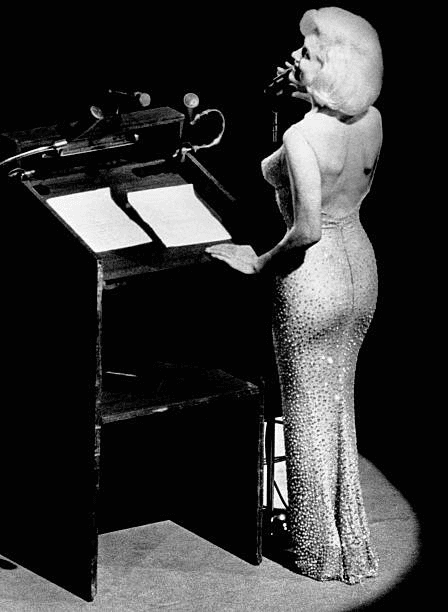
The rise of archival couture has reshaped both the cultural and financial landscape of fashion collection, transforming garments once meant for wear into objects of preservation and prestige. This shift became unmistakably visible when Kim Kardashian wore Marilyn Monroe’s crystal Jean Louis dress to the 2022 Met Gala. The online debates that followed revealed how deeply fashion now intersects with the logic of fine art. Monroe’s gown is no longer simply a dress; it has become a historical artifact. Reports of damage after Kardashian’s appearance intensified the argument that certain garments have transcended their original function. Consequently, the question of whether fashion should be worn or conserved has become central to the new era of collecting, where clothing is increasingly treated as cultural property.
Getty Images/Bettman
Investment dressing has emerged from this cultural shift as a defining practice among ultra-wealthy collectors. According to a 2022 Business of Fashion report, half of surveyed luxury shoppers in the US monitor the market value of their accessories, and more than half believe these values could appreciate—and they’re not wrong. Bloomberg data shows that prices for fashion collectibles have skyrocketed by 400 percent since 2014. As a result, authentication has become a cornerstone of the second-hand luxury market, with 80 percent of shoppers believing their accessories are as stable or less volatile than other assets. Fashion is no longer secondary to classical art but part of the same ecosystem of cultural value.
The Metropolitan Museum of Art Costume Institute
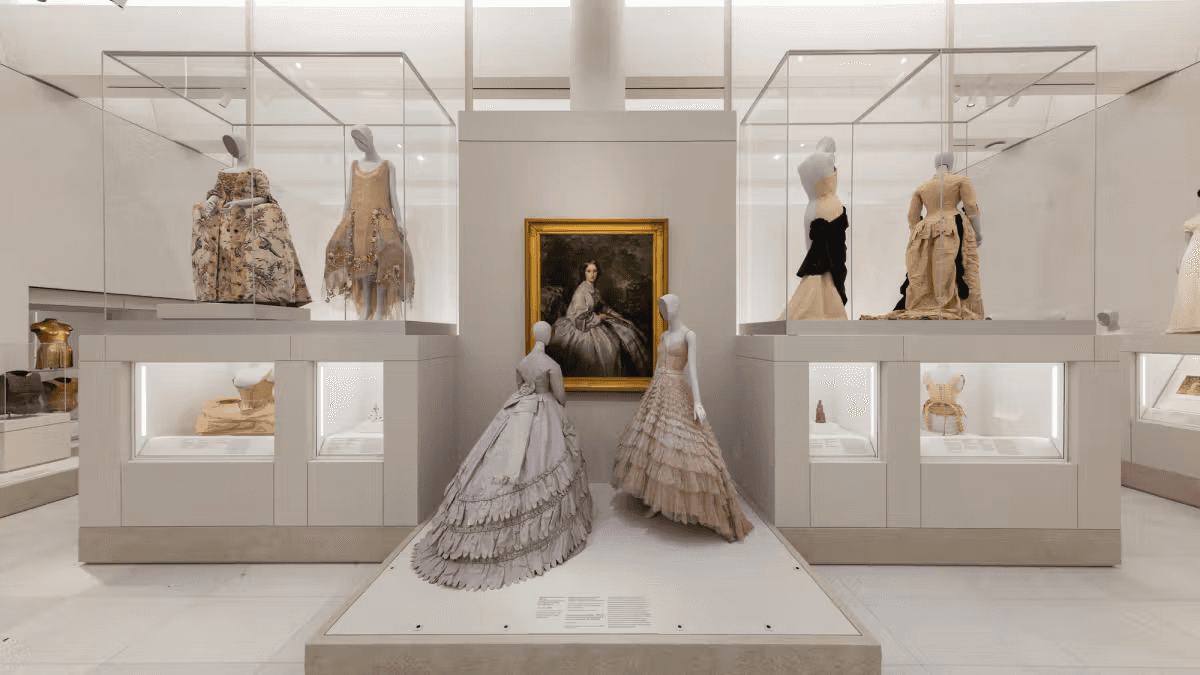
This shift has reconfigured the role of stylists, who now have to operate like curators. Their work now involves sourcing pieces from private collectors, vintage boutiques, and designer archives, often through digital channels rather than physical storefronts. In many cases, stylists find themselves competing with institutions like the Metropolitan Museum of Art’s Costume Institute for garments of historical significance. To secure rare pieces—many of which have never been worn off the runway—stylists rely on long-standing relationships with archivists. These garments are history; owning and wearing them is both an act of inheritance and a responsibility.

Mugler Fall 1995 Couture via Vogue Getty Images/Samir Hussein
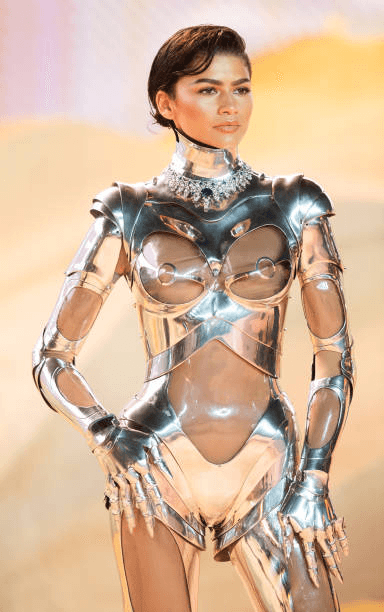
Understanding the distinction between vintage and archival is crucial to this new landscape. Vintage refers broadly to older clothing; archival refers to pieces preserved with museum-level care. Archivists maintain controlled environments to protect garments from light, heat, and time. They understand how skin oils, perfume, and movement can degrade fabric. This is why the International Council of Museums insists that historic garments should not be worn by anyone, public or private. Yet celebrities continue to challenge this boundary, arguing that fashion’s purpose is to be lived in, not locked away. When celebrities choose archival pieces for red carpets, they reject the commercial machinery of new-season dressing while also dubbing themselves as modern-day fashion historians in motion.
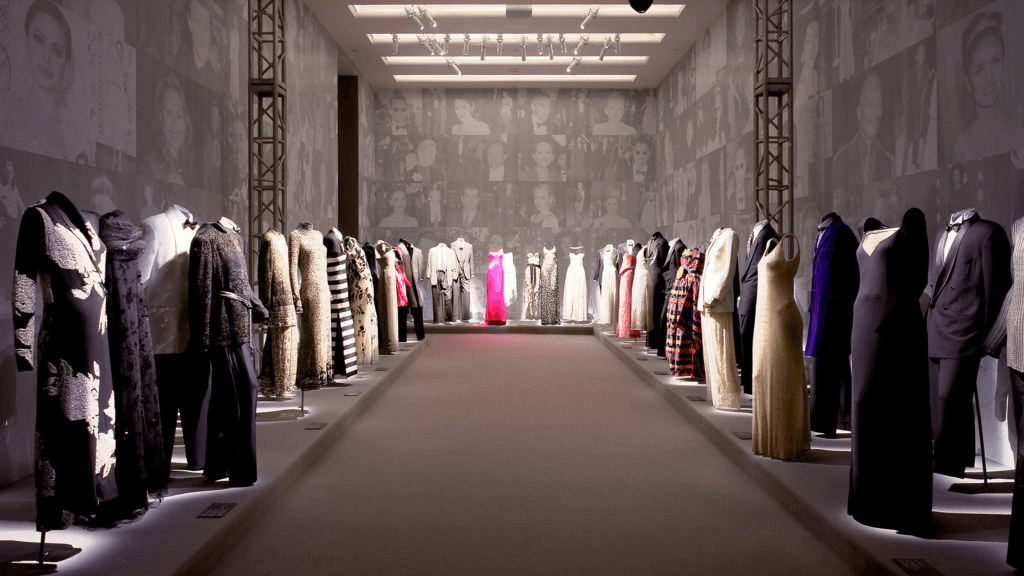
Guggenheim Museum
The merging of fashion and fine art is not new, but its current intensity can be traced back to early flashpoints. The Guggenheim Museum’s Giorgio Armani retrospective in the early 2000s marked a turning point in the relationship between fashion and fine art. The show shocked the art world not only because a fashion designer had taken over one of its most prestigious institutions, but because of the rumour that Armani’s $15 million donation had effectively secured his place in art history. At the time, it felt like fashion had barged into a rarefied cultural sphere that had long positioned itself above commerce. Two decades later, that intrusion looks more like a preview of what was to come. Luxury houses now build their own cultural institutions, blurring the boundaries between museum and brand.
The industry is no longer defined solely by seasonal cycles but by the slow, deliberate stewardship of objects that carry historical weight. Garments are vessels of narrative, value, and identity, circulating between private collectors, public institutions, and the bodies of celebrities who temporarily animate them. In this era of collection, to wear fashion is to participate in its preservation, and to preserve it is to acknowledge its power to shape cultural history long after the runway lights fade.