
Business
Why Ultra-Wealthy Buyers Are Investing In Multi-Generational Estates
written by sarah eros

In 2026, the ultra-wealthy are looking beyond just the square footage of a property. Instead, investment is going into multi-generational estates: large properties designed to house multiple branches of a family while preserving family wealth and creating a long-term family base.
Economists refer to the term "Great Wealth Transfer." That explains how, over the next two decades, trillions of dollars are expected to pass from older generations to younger ones, making succession planning a growing priority for affluent families. While some might divide their assets among heirs, some families are choosing to consolidate wealth into large real estate holdings that can be passed on and retained over time. Family offices are now actively purchasing legacy properties, ranches, vineyards, historic estates, and waterfront compounds, which are often viewed as both lifestyle assets and long-term stores of value. This market is scarce and especially visible in destinations such as Florida, Texas, and parts of Italy and France, where large estates offer privacy and the ability to expand. The vision to expand becomes the focal point in conversations as the goal shifts to the continuance of holding and increasing value. Instead of one primary residence, buyers are increasingly seeking compounds with guest homes, wellness facilities, outdoor recreation areas, and dedicated spaces for extended family.
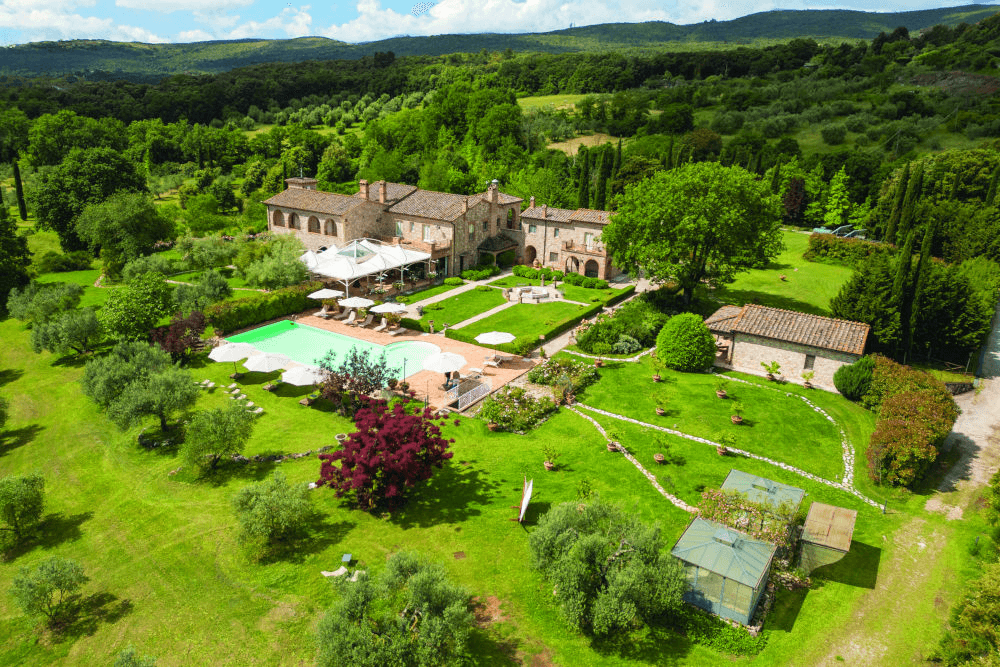
Italy’s green heart, Umbria
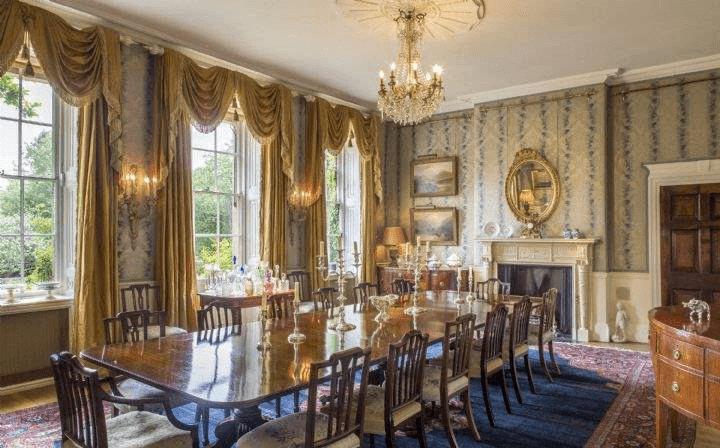
Oxfordshire
properties of this stature are flexible when it comes to their family's dynamics. Estates are designed with separate residences rather than one massive house so that adults, children, grandparents, and guests dwell on the same property while maintaining independence and autonomy. This enables families to gather regularly without sacrificing privacy. Developers and architects have adapted, with new luxury compounds defaulting to include multiple kitchens, detached guest cottages, wellness pavilions, private offices, and recreational facilities. Remote work has also made these layouts more practical, allowing family members to spend longer periods together throughout the year.
The rise of multi-generational estates ultimately reflects a broader change in luxury priorities. Rather than focusing exclusively on status or location, many affluent families are asking a different question: what values can I assert now? Where do I want to spend my time, and who do I want to spend it with? Which assets will still matter in twenty or thirty years? For a growing number of buyers, the answer is not another penthouse or vacation property. It is a place where future generations can gather, celebrate milestones, and remain connected long after the original purchase is made.
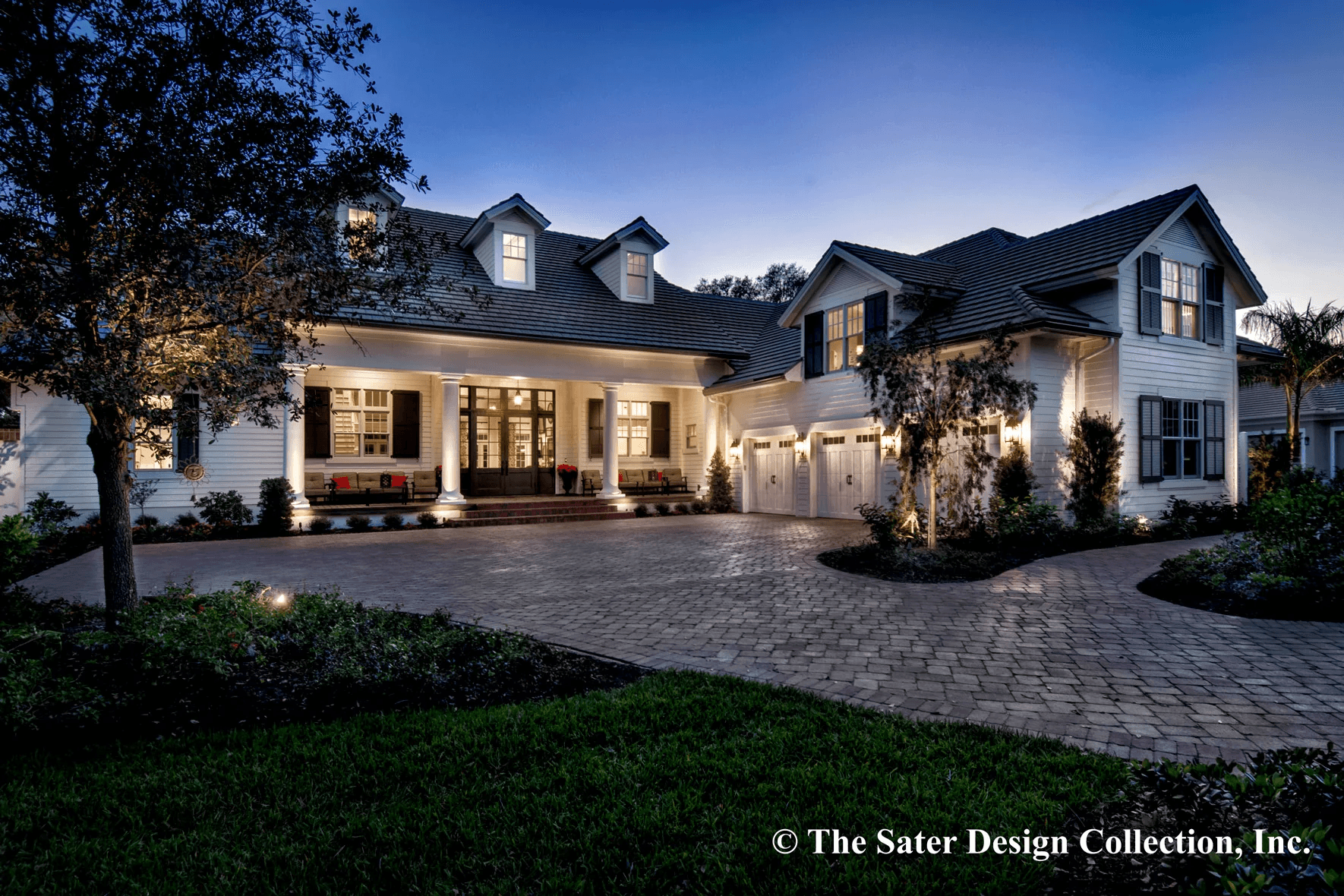
Hampton Road House Plan
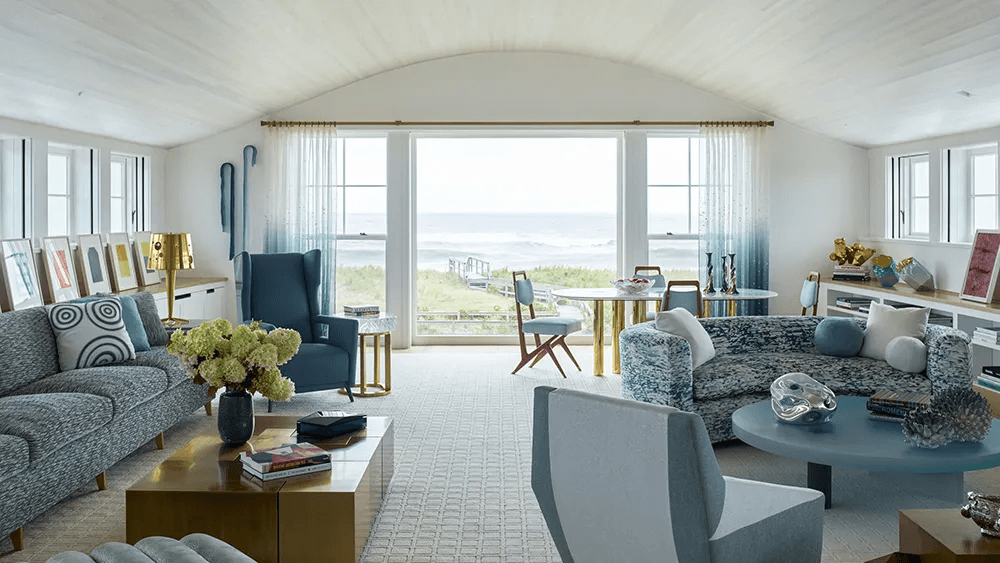
Eric Piasecki