
Travel
Why Luxury Hospitality Is Becoming More Residential
written by mariana lora

The definition of luxury travel has moved beyond five-star hotels and services as travelers seek experiences that carry the comfort and privacy of home with the amenities and service standards of world-class hotels. As a result, hotel brands are designing larger spaces, branded residences and personalized living experiences that blur the lines of luxury.
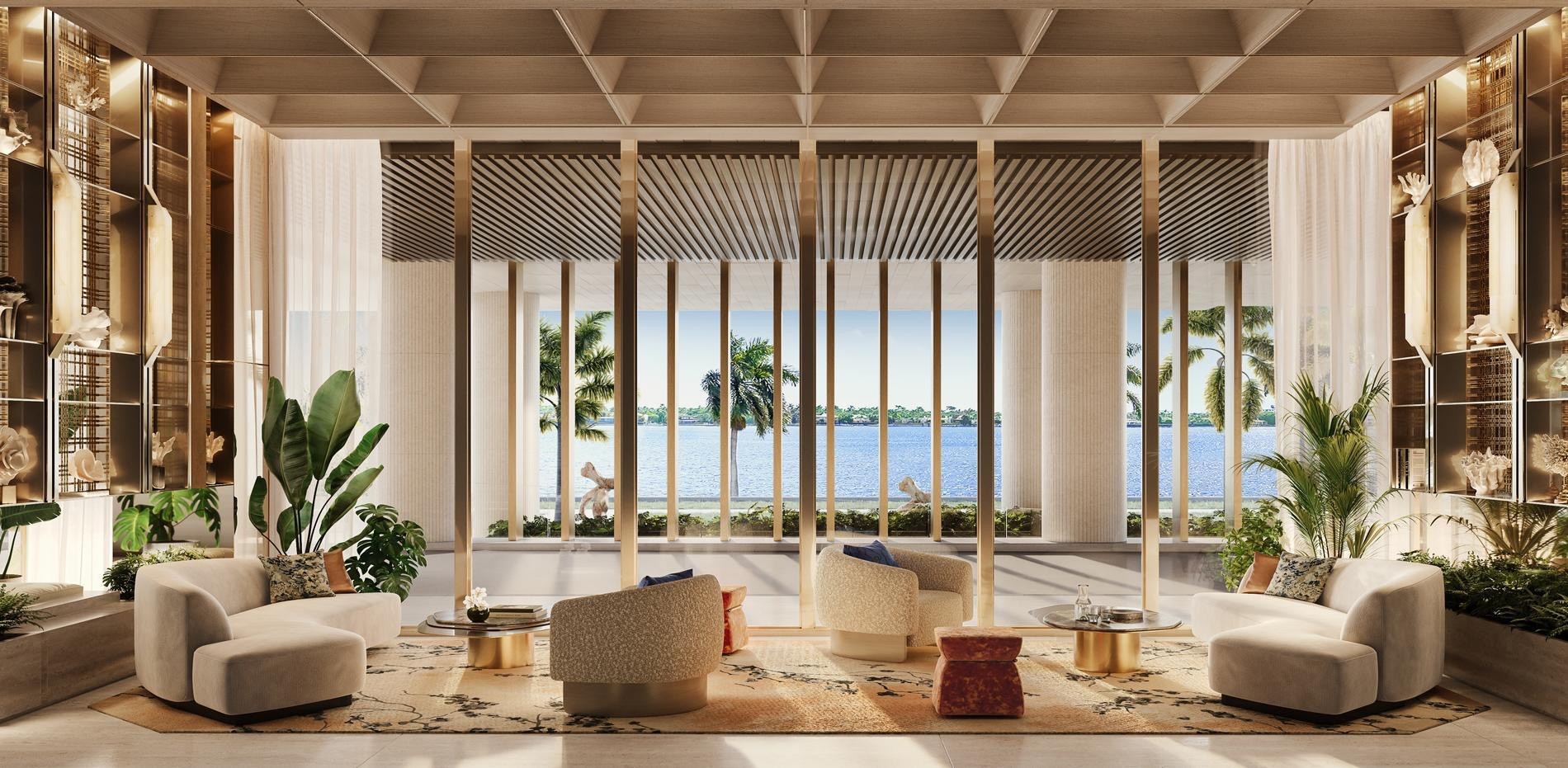
Image by PKF Hospitality group
This evolution of changing travel habits among high-net-worth individuals, many of whom spend extended periods abroad for business, leisure or remote work. Rather than checking into a traditional hotel room, these guests want spacious residences complete with full kitchens, private outdoor spaces, wellness facilities and dedicated concierge services. According to the EHL Hospitality Business School, branded residences have become one of the fastest-growing sectors in luxury real estate because they combine premium residential ownership with the trusted reputation and service standards of established hospitality brands (EHL Hospitality Business School).
Developments operated by brands such as Four Seasons, Ritz-Carlton, Aman, Mandarin Oriental and St. Regis offer homeowners access to housekeeping, in-residence dining, spa services, fitness centres, security and concierge teams while maintaining the privacy expected from a luxury home. Hospitality Design reports that demand for branded residences continues to grow as buyers place significant value on trusted brands, exceptional service and professionally managed properties (Hospitality Design).
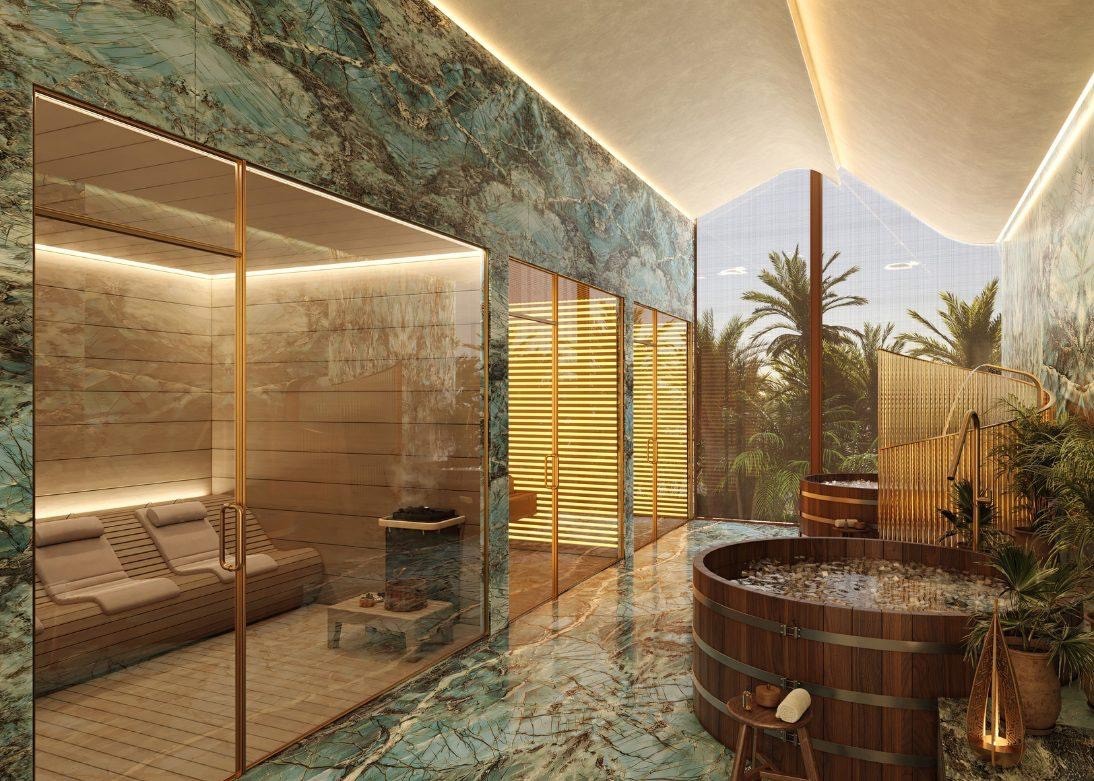
Image by Bresi: Branded Residence
The homes themselves feature generous living areas, chef's kitchens, walk-in wardrobes, private terraces and dedicated workspaces. Many include wine cellars, golf simulators, children's playrooms, wellness clinics, coworking lounges, pet services and curated cultural programming. Gensler notes that affluent buyers prioritize flexibility, convenience and thoughtfully designed spaces that support daily routines rather than temporary stays. This approach allows residents and extended-stay guests to feel settled while still benefiting from luxury hospitality services (Gensler).
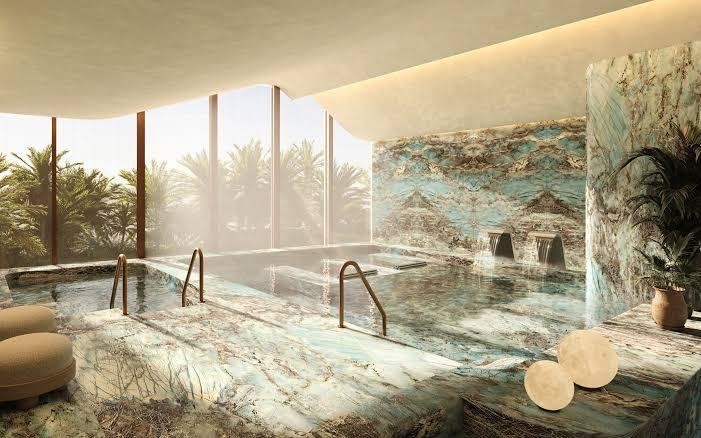
Image by Bresi: Branded Residence
According to Forbes Business Council, affluent buyers are looking for seamless experiences that remove the responsibilities associated with managing multiple homes while preserving the comfort of residential living. Professional maintenance, security, concierge assistance and access to hotel amenities provide owners with peace of mind whether they occupy the property full time or seasonally (Forbes Business Council).
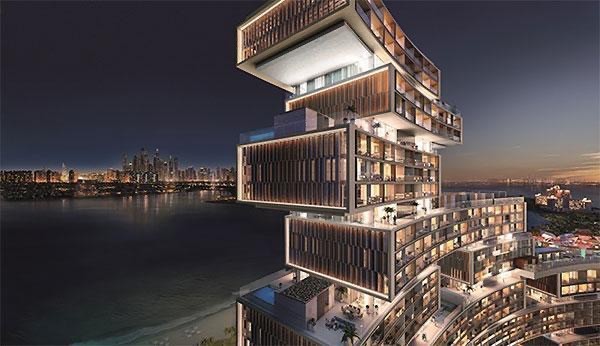
Image by PKF Hospitality group
Luxury hospitality is becoming more residential because affluent travellers value familiarity as much as exclusivity. As branded residences continue to expand around the world, they illustrate how luxury can be about convenience and the cozy feeling of home.