Business
Why Fashion CEOs Are Investing in Hospitality Brands
Written By Eshana Nanar

Fashion brands do not want to simply dress consumers anymore. They want to control the entire lifestyle surrounding them.
With that concept at the helm, luxury conglomerates are aggressively expanding into hotels, cafés, restaurants, beach clubs, private members' clubs, and hospitality experiences. Consumers are now interested in buying into new worlds through their lifestyle, and what once felt like a side business has now become one of the smartest strategies in luxury. For years, fashion advertising sold fantasy lifestyles through campaigns and runway shows. Colaborations such as a fashion-branded hotel allows consumers to fully immerse themselves inside a brand identity from the architecture and scent design to the restaurants, uniforms, interiors, playlists, and even wellness experiences.
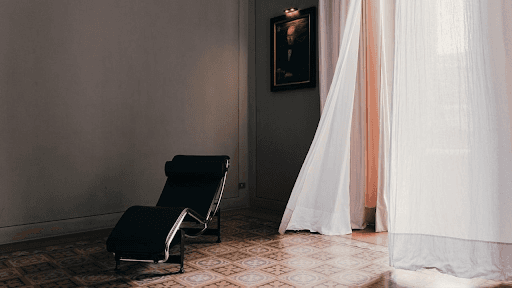
The customer is no longer simply just carrying or wearing the brand. They aren't just sitting front row at a show being witness to a display of art. the immersive space allows clientele to live the fantasy and world curated for the runway. They're in it now; they are living inside and all around it, in every detail.
In the age of social media, that immersive branding becomes incredibly powerful. Fashion hospitality spaces are designed to be photographed, shared, and experienced digitally. Photo ops and Instagrammable moments are some of the most valuable traits that consumers now look for.
Luxury cafés and private clubs have become especially important because they create daily consumer interaction with fashion brands beyond shopping. Brand loyalty plays a massive part in this as consumers are buying into the lifestyle attached to the brand that they favor. Experiences like these boost loyalty amongst consumers both old and new.
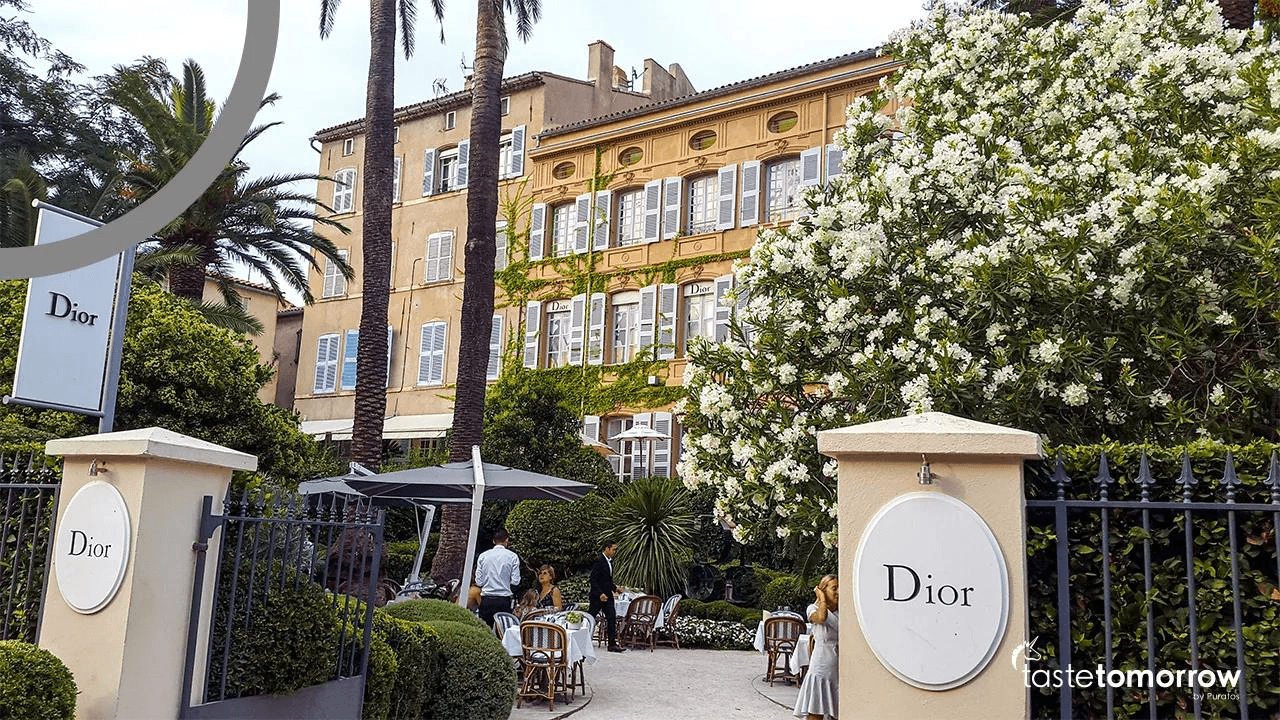
That consistency matters enormously from a business perspective because it transforms fashion brands from transactional purchases into lifestyle habits. Consumers emotionally connect to brands more deeply when they become integrated into routines and experiences rather than occasional luxury spending. Feeling as though luxury is their identity, not just a part of their lives
Brands have the opportunity to create an overall immersive multidimensional luxury experience that can either be carefully woven into everyday life or, perhaps instead, create an idealized world of escapism.
Fashion trends change constantly. Collections move quickly. But hospitality spaces allow brands to create permanence and emotional memory in a way retail increasingly struggles to achieve.
Luxury fashion is increasingly aware that the most powerful form of branding is not what is seen on a runway, but what is felt in a space. Temperature, lighting, scent diffusion, texture of furniture, even the pacing of service all become part of a carefully constructed narrative. In this sense, hospitality is not an add-on to fashion, it is fashion translated into architecture.
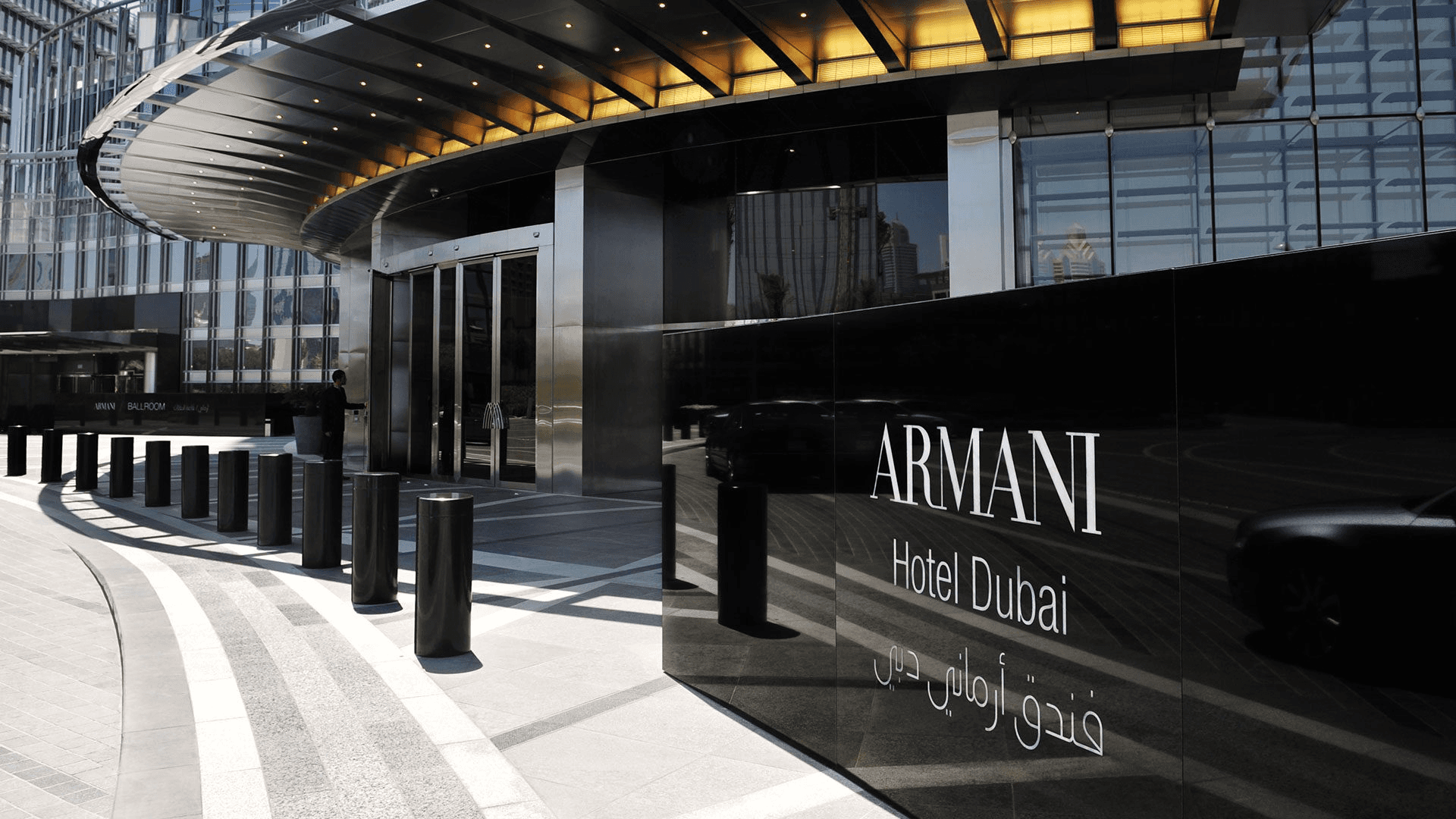
Brands like Armani were early to understand this translation. The Armani Hotels properties, for example, are not simply branded residences placed inside buildings, they are total environments where the aesthetic language of Armani is extended into daily life. Minimalism, restraint, muted luxury, It is fashion slowed down, stretched across time, and made inhabitable.
Similarly, with the rise of Bulgari Hotels & Resorts, we see a different expression of the same idea: a more sensorial, jewel-toned interpretation of luxury where materiality is foregrounded. Marble, gold, and sculptural interiors are not just decorative choices, but emotional cues designed to reinforce brand mythology. Each space functions like an extended campaign, except the consumer is no longer the viewer they are the subject inside it.
This is where luxury strategy becomes more psychologically sophisticated. Fashion no longer relies solely on aspiration in the abstract sense. It builds proximity to aspiration. The consumer is not just looking at an ideal life through imagery; they are temporarily entering it, inhabiting it, and normalizing it. The fantasy becomes experiential rather than representational, which makes it significantly more persuasive.