Travel
The Rise of Ultra-Luxury Wellness Clubs
Written By Eshana Nanar

Private yachts, Designer wardrobes, Five-star resorts, Champagne towers at rooftop parties somewhere in Saint-Tropez, Wealth was traditionally displayed through visible consumption, the louder and more extravagant, the better. But luxury culture is changing.
Today, the ultimate status symbol is no longer just looking rich. It is looking enhanced.
Welcome to the era of ultra-luxury wellness clubs, where billionaires, celebrities, executives, and the hyper-wealthy are spending thousands, sometimes hundreds of thousands, on private longevity memberships, biohacking treatments, personalized health optimization, and wellness experiences designed to help them not only live better, but potentially live longer. The entire industry feels like a mix between a luxury hotel, a futuristic science lab, and an elite nightclub.
Over the last few years, wellness has evolved from a lifestyle trend into a full-blown identity. What started with green juices and boutique fitness classes has now escalated into private longevity clinics offering advanced blood analysis, genetic testing, stem-cell therapies, hyperbaric oxygen chambers, infrared saunas, cryotherapy, IV drips, hormone optimization, sleep coaching, and AI-monitored health tracking. And the exclusivity surrounding these wellness spaces is a huge part of the appeal. Instead of spending status money solely on handbags or cars, wealthy consumers are pouring money into private health memberships that promise energy, longevity, mental clarity, stress reduction, and “peak performance.”
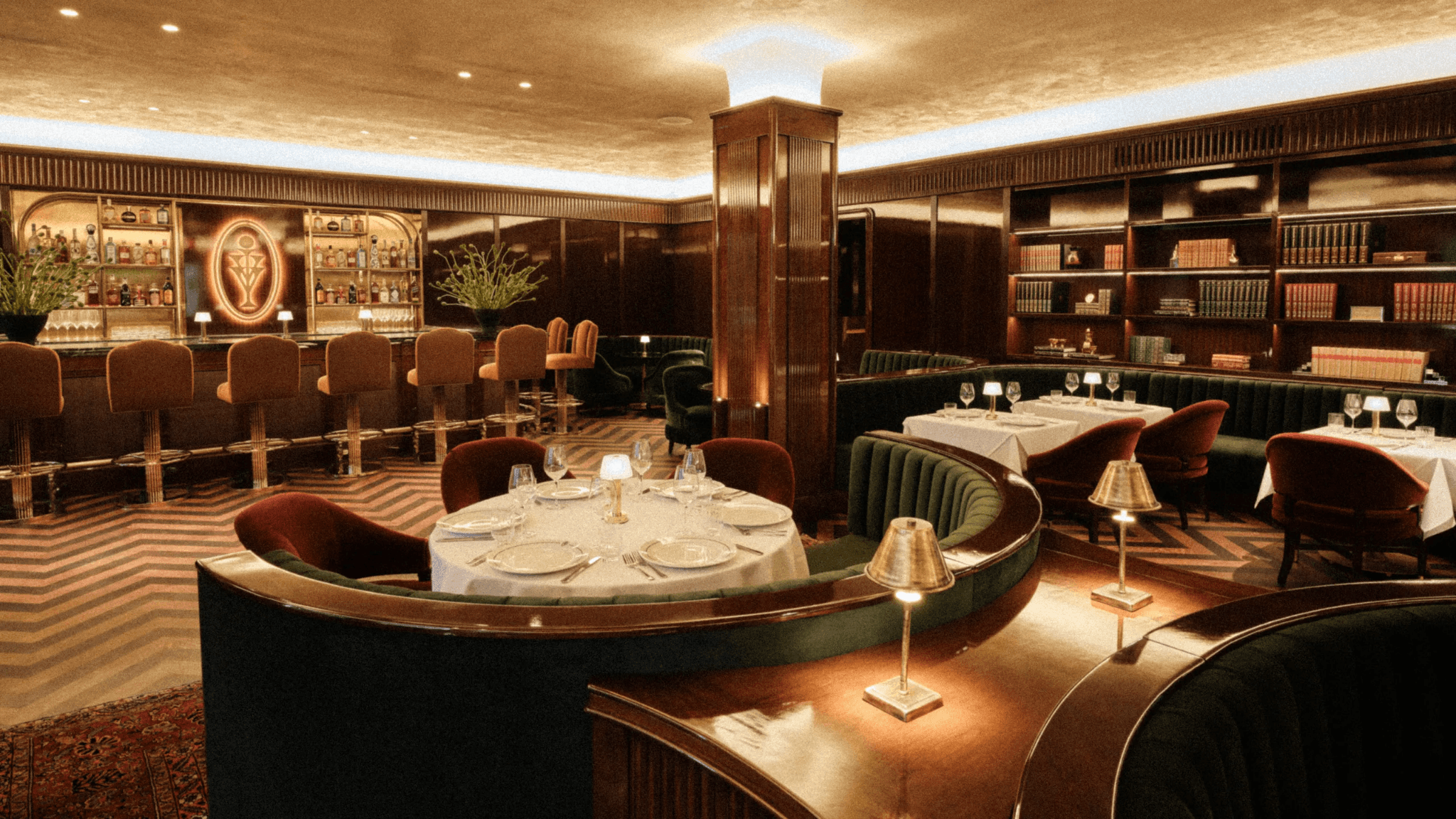
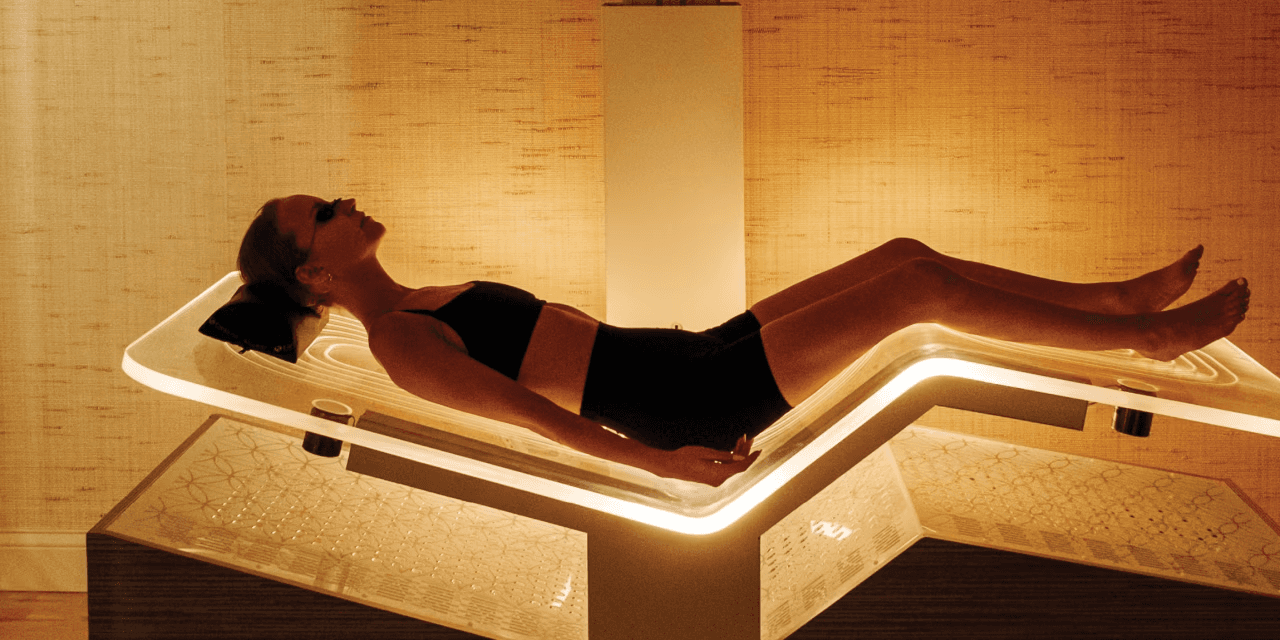
The aesthetic of wellness culture plays a massive role in its popularity too. Neutral interiors, natural stone, warm lighting, spa-inspired architecture, quiet lounges, organic cafés, minimalist branding, and staff dressed more like luxury hospitality teams than medical professionals. Complete tranquillity, where the only source of anxiety is deciding what treatment you want to do next.
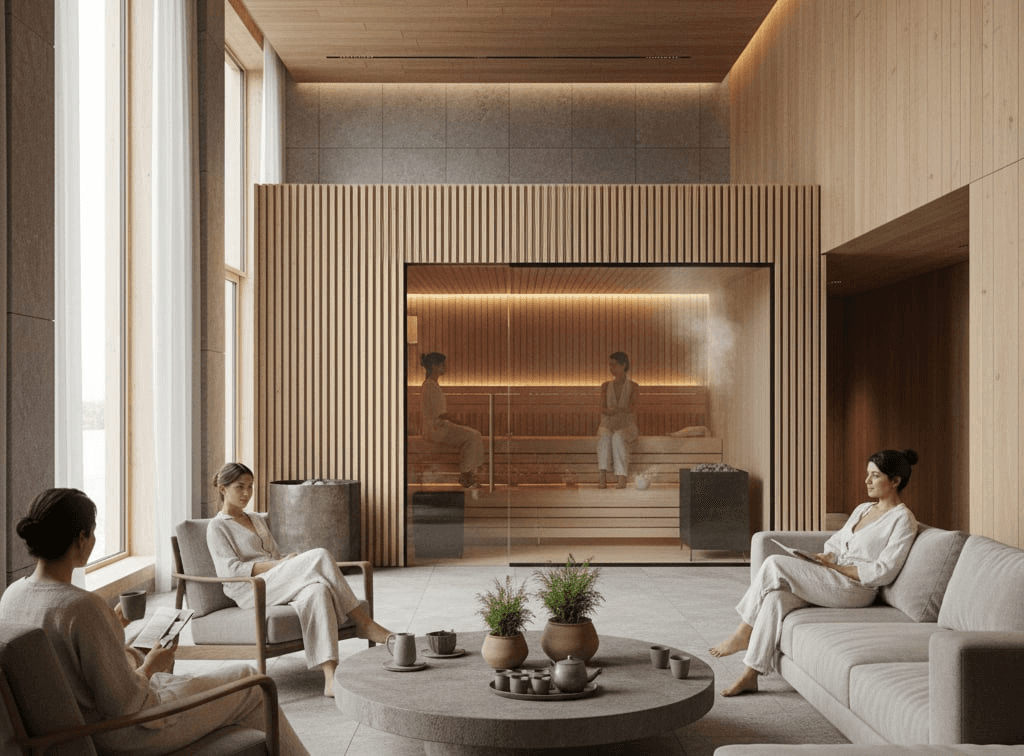
Everything feels curated to communicate one thing: control.
Because ultimately, that is what the modern wellness industry is really selling.
Control over aging. Control over stress. Control over productivity. Control over uncertainty. Control over your life in every possible way.
In many ways, the rise of luxury wellness reflects larger anxieties surrounding modern life. People are exhausted. Burnout has become normalized. Sleep deprivation, overstimulation, stress, and constant digital consumption have left many consumers craving physical and emotional regulation.
There was a time when visible luxury meant wearing designer logos or driving expensive cars. Now, subtle indicators of wellness culture often communicate affluence more effectively: glowing skin, expensive supplements, access to exclusive wellness retreats, personalized nutrition plans, private Pilates memberships, or even simply having the time to prioritize optimization in the first place.
Health has become attainable branding.
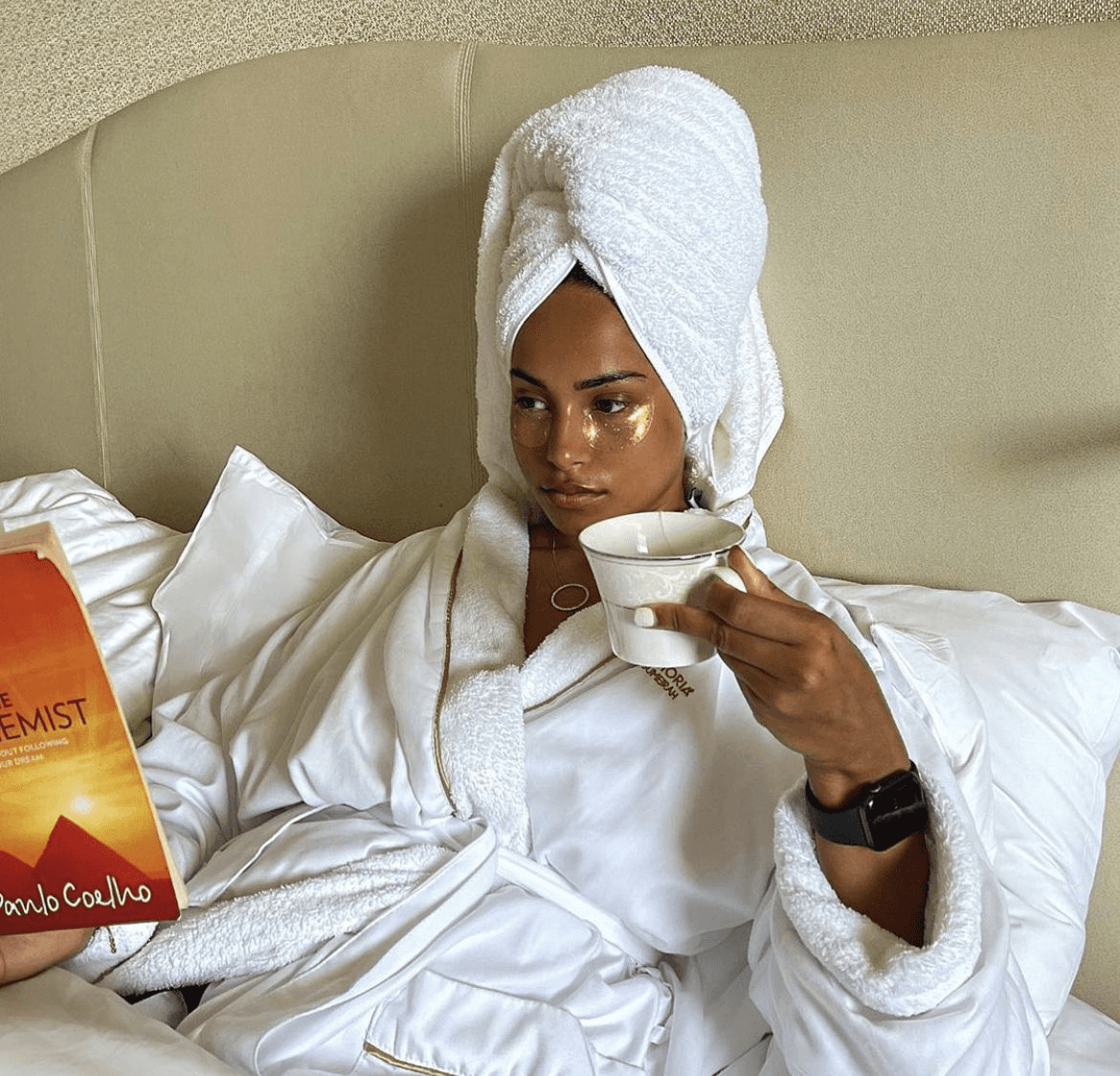
Part of the fascination comes from the images attached to wellness culture. These spaces present an idealized version of life where stress appears manageable, bodies appear optimized, and aging feels negotiable. Wellness clubs market not just health but a lifestyle of discipline, exclusivity, beauty, and empowerment over your well-being, both physically and mentally.
That emotional empowerment is incredibly powerful.
The ability to dedicate enormous amounts of time and money toward optimization is itself a privilege. Not because growth, wellness, or self-improvement are inherently exclusive, but because having the resources to consistently prioritize them often requires a level of security that many people simply do not have. What differs is not necessarily the value placed on wellness, but the resources available to pursue it. Someone investing in a gym membership, another spending an hour walking after work, and someone attending a luxury longevity retreat may all be expressing the same underlying value: a belief that their future wellbeing is worth investing in. At its best, it reflects a mindset that views health, knowledge, and self-awareness as forms of wealth in their own right.
Still, the demand continues to grow rapidly because modern consumers increasingly associate luxury with well-being rather than excess consumption. After years dominated by flashy displays of wealth, many affluent consumers are shifting toward quieter forms of status spaces that feel private, exclusive, and deeply personalized.
Luxury wellness clubs embody that perfectly.
They are discreet rather than loud. Controlled rather than chaotic. Personalized rather than performative (ok, maybe a little bit performative.)
In a world where everything constantly feels overstimulating and uncertain, the promise of elevation becomes incredibly seductive.