Business
The Rise of Ultra-Luxury Pet Accessories
Written by eshana nanar

Luxury fashion’s newest obsession is not handbags. It is pets.
Over the last few years, ultra-luxury pet culture has expanded into something far more complex than accessory-driven indulgence. It has become a fully integrated layer of luxury identity, where animals are no longer just companions but increasingly positioned within the same aesthetic systems that define fashion, interiors, and personal branding. From Choupette Lagerfeld being a social media sensation to Paris Hilton's dogs living in their own doggy mansion that is bigger than my bedroom, luxury pet culture is a growing craze and everyone wants a piece.
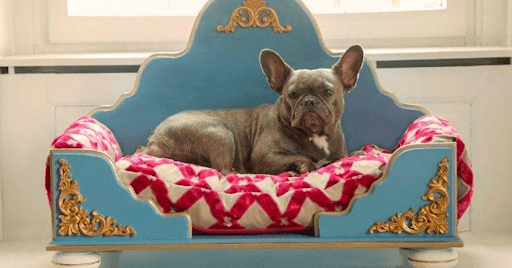
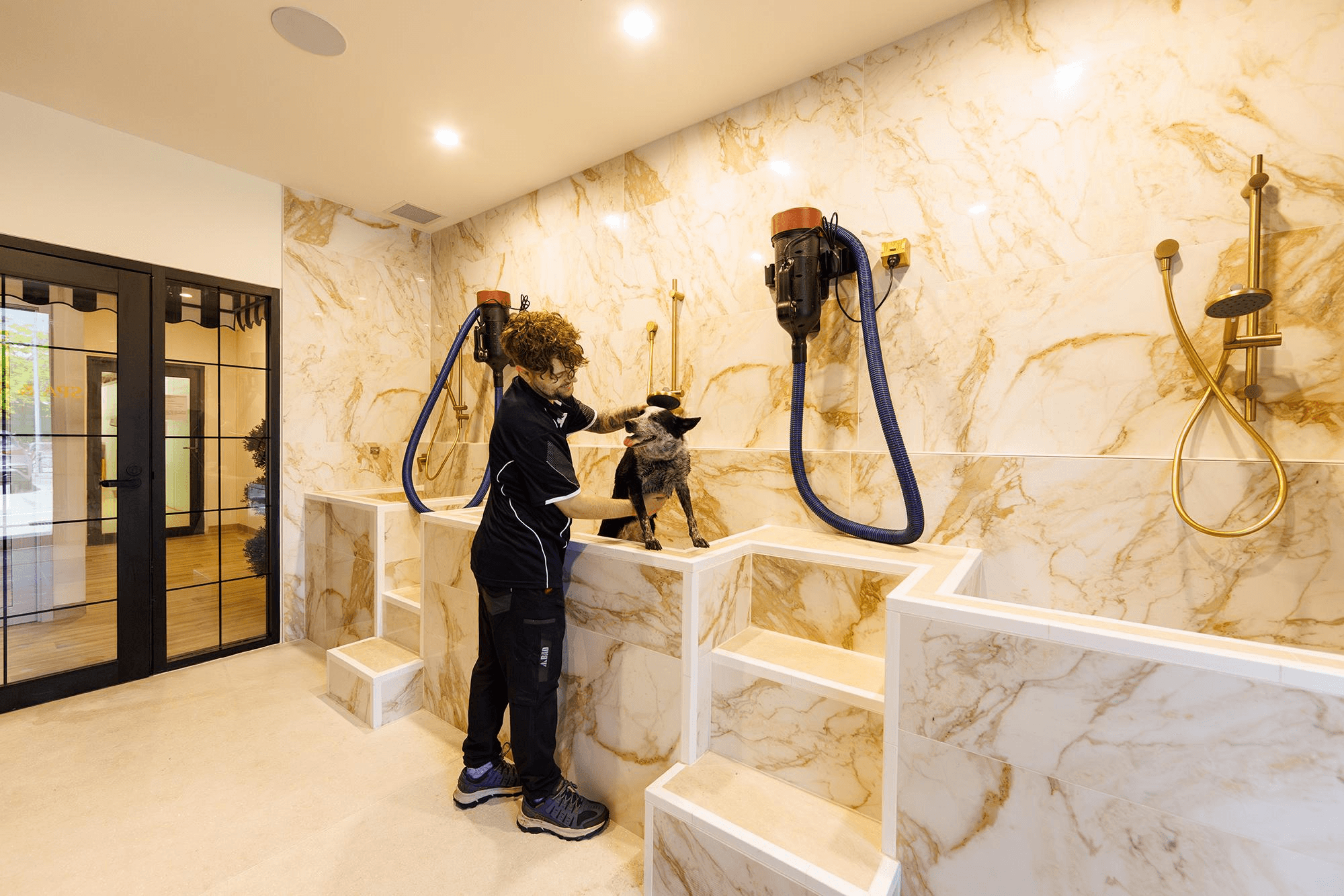
Designer pet furniture, luxury grooming spas, couture collars, monogrammed carriers, wellness regimens, and even runway-adjacent collections for animals are now part of an expanding ecosystem that sits comfortably inside affluent lifestyles. What used to feel like niche excess has been normalized through repetition, visibility, and social media circulation.
And social media is really where this shift accelerated.
Luxury pets photograph well. They soften hyper-curated spaces. They interrupt the rigidity of perfect interiors with something emotionally legible. A dog sitting on a cashmere throw or a cat positioned beside a designer handbag doesn’t just add “cuteness” it adds narrative softness. The pet becomes part of the household's broader lifestyle philosophy. Pets soften highly polished spaces. They add warmth to otherwise controlled environments. They make luxury feel more approachable, personal, and emotionally authentic.
But there is a more uncomfortable layer underneath this.
Luxury pet culture is not only about care or companionship anymore it is increasingly about projection. Animals are being folded into branding logic in the same way fashion items are. The pet becomes part of the aesthetic system: what it wears, where it sits, how it is photographed, even how it is groomed begins to reflect back on the owner’s identity. In extreme cases, pets are being subtly repositioned as lifestyle accessories, not in the literal sense of ownership, but in the visual economy of status.
And that is where the tension begins.
Because while luxury has become increasingly discreet in human clothing moving toward understatement, restraint, and “quiet wealth” it is simultaneously becoming more expressive, even performative, in the way animals are displayed. There is a contradiction forming: humans are dressed to disappear, while pets are increasingly styled to be seen.
This shift raises an important ethical discomfort that the industry rarely addresses directly.
At what point does care become curation?
And at what point does curation begin to blur into control?
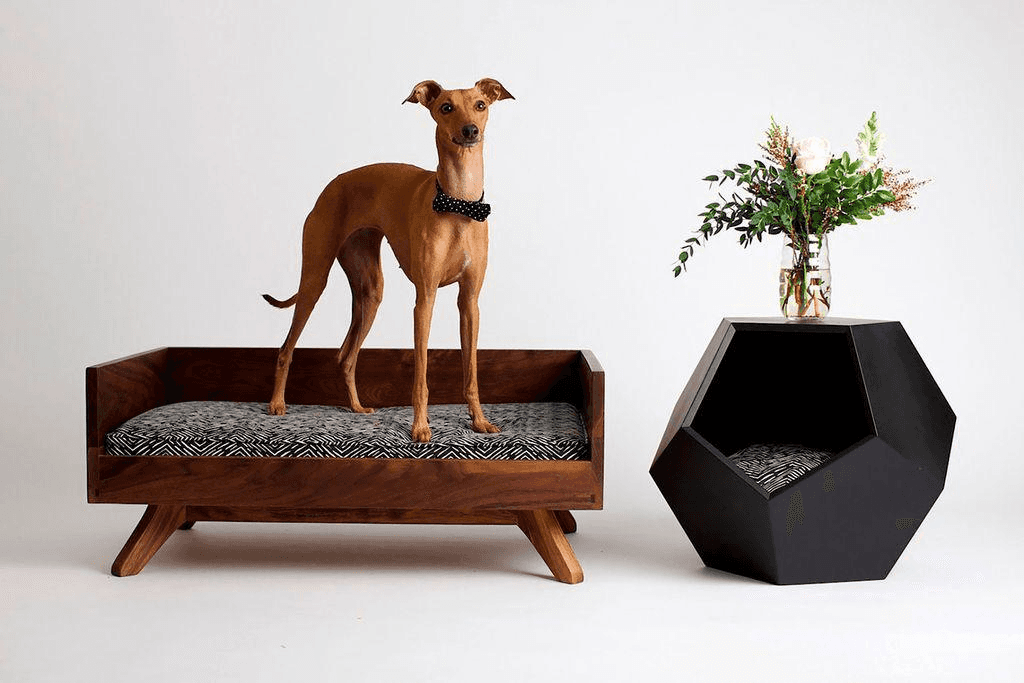
The rise of designer pets and highly aestheticized animal lifestyles reflects a broader cultural tendency within luxury: the desire to extend branding into every possible surface of life. But unlike handbags or clothing, pets are living beings with needs that are not aesthetic. When they are positioned primarily as extensions of image-making, there is a risk that their wellbeing becomes secondary to their visual function.
Luxury pet hotels, spa treatments, organic diets, acupuncture, and custom interiors are often framed as care and in many cases, they genuinely are. But the scale and visibility of this industry also reveals something else: a growing instinct to optimize even emotional relationships through consumption. Affection becomes something that can be purchased, styled, and systematized.
And for affluent consumers, pets also carry a different kind of symbolic value.
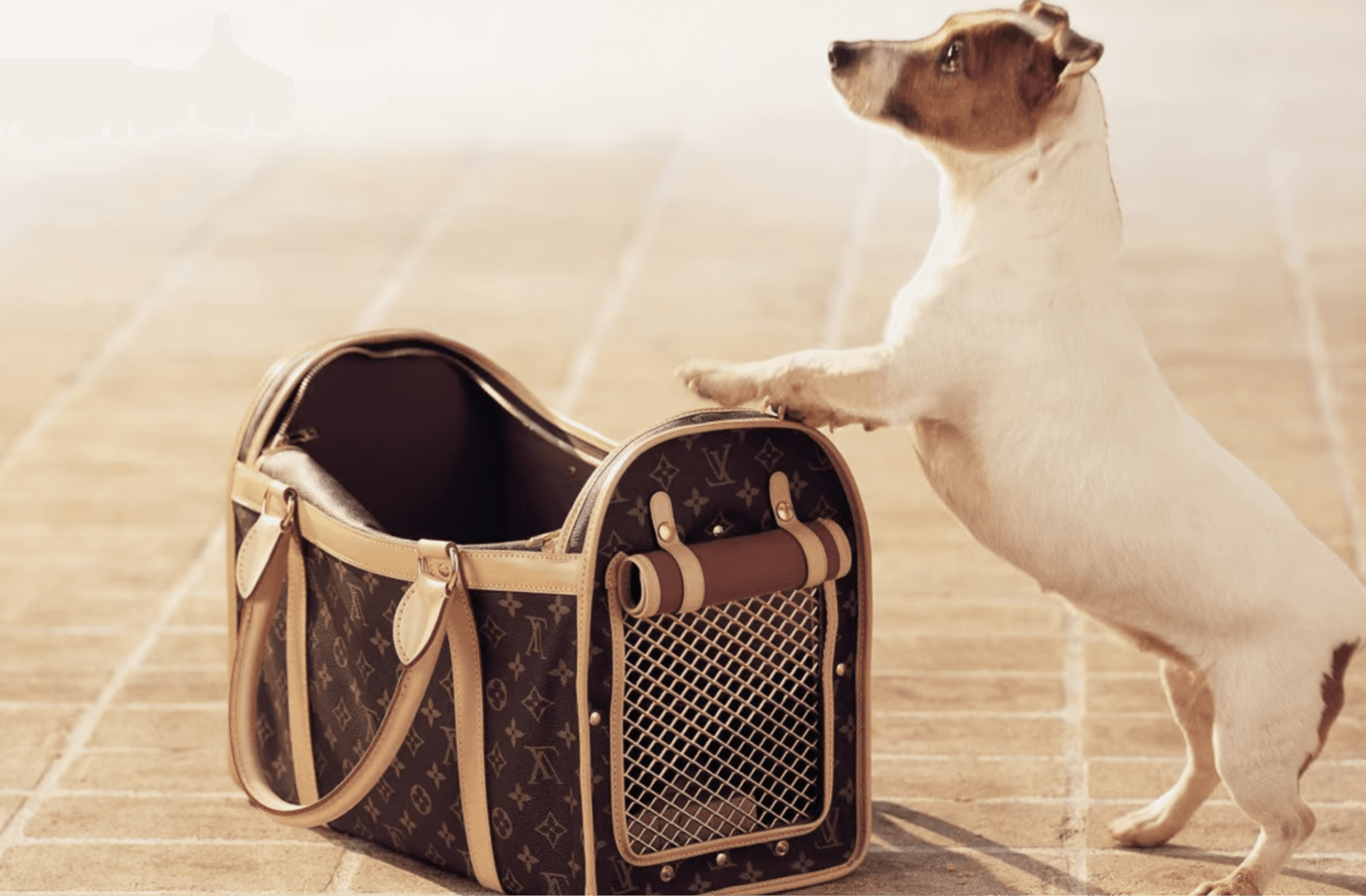
Spending on animals is often perceived as more emotionally acceptable than spending on overt luxury goods. It signals softness, responsibility, and care rather than excess. A diamond necklace might read as status; a designer dog carrier reads as affection. This makes pets a particularly powerful space within modern luxury because they allow wealth to be expressed in a way that feels emotionally justified.
But that is exactly why the category is expanding so quickly.
Because it sits in a morally comfortable space while still functioning as a high-end consumption channel.
Luxury brands understand this. And increasingly, they are building entire ecosystems around it treating pets not just as companions, but as lifestyle extensions that complete the visual language of a household.
Still, beneath the polished surface of couture collars and luxury grooming, there is a growing question the industry cannot fully aestheticize away: when everything becomes part of branding, even living beings, what parts of life are left outside of it?