
travel
The Rise Of Luxury Culinary Tourism
written by eliia romeiro-Lourenco

One of the fastest growing components of the travel industry is luxury culinary tourism. Many high-end travellers are pivoting from sightseeing to immersing themselves in experiential dining. Food is a driving factor for booking lavish vacation destinations, as there are so many stories to be told through the art of gastronomy. Destination dining, Michelin travel itineraries, and affluent food culture are all key elements in the rise of these culinary tourists experiences. Luxury travellers are constantly seeking something different, personal, and impressive, and grandiose food combinations and presentations fit that criteria.
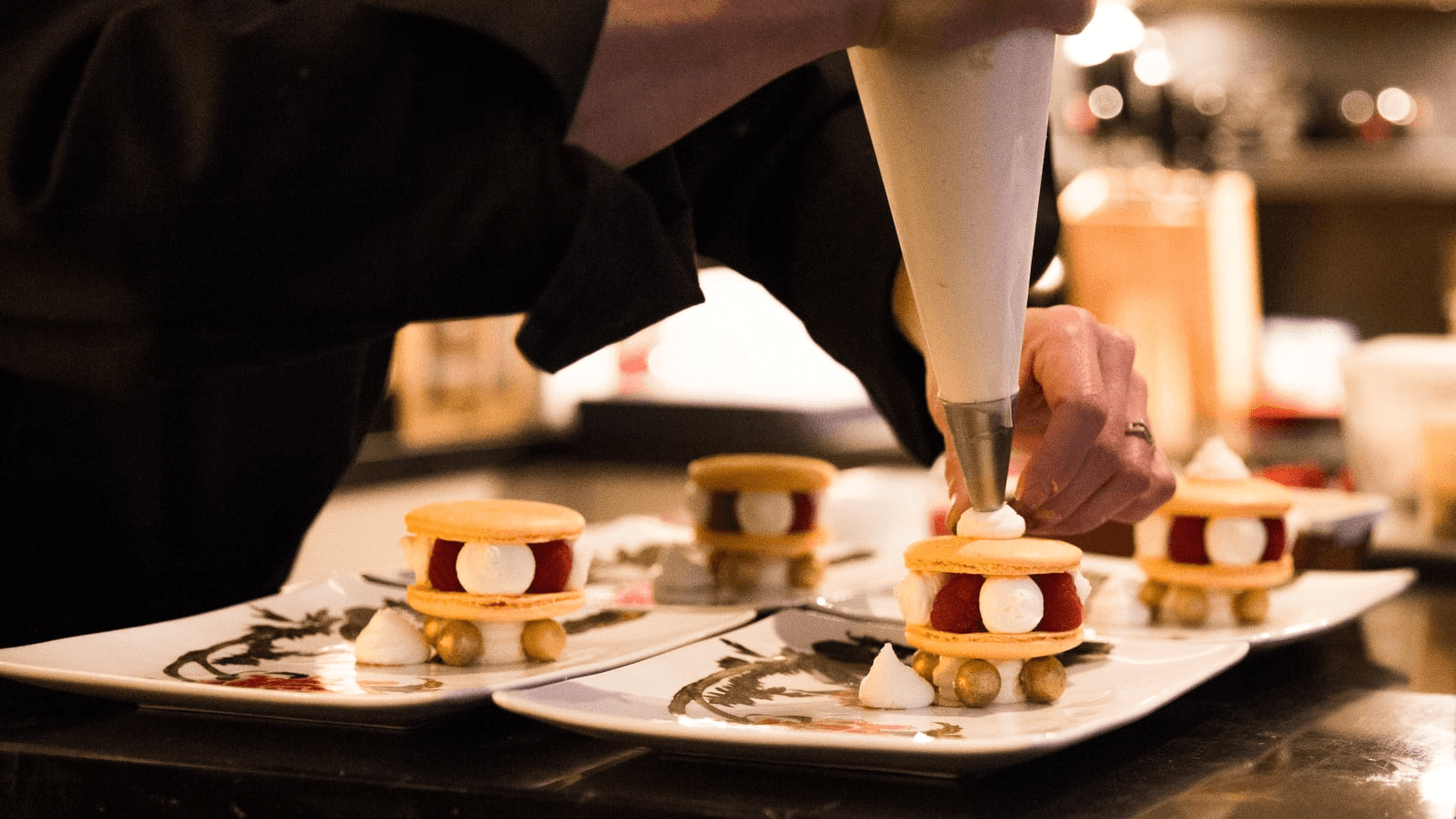
Luxury Cooking Class in Paris
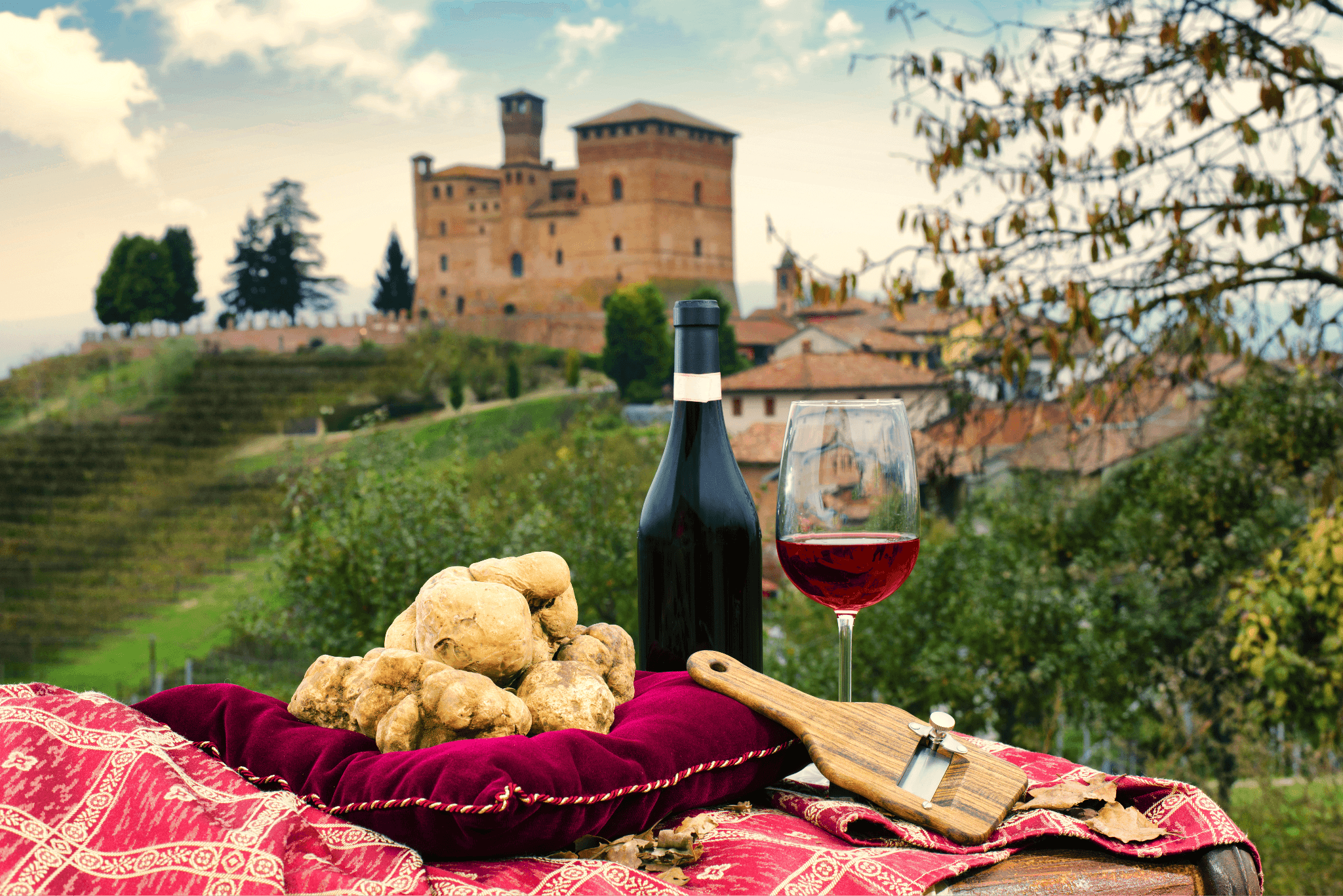
Truffle Hunting in Tuscany
Luxury cuisine experience transforms food from prestige to authenticity. Michelin star meals have a preestablished reputation of popularity and extravagance. But modern luxury travellers are prioritizing authenticity and local experiences as opposed to traditional prestige. Many adherents of this lifestyle have the desire to eat where locals eat to further connect with the cultural heritage behind each nation's specialty. Through hands-on immersion, travellers are privately visiting local markets and restaurants, and garnering ingredients from regional experts, to use unique flavours in specialized cooking masterclasses with world renowned chefs. While planning a high-end culinary experience, elite agencies and luxury travel experts have various structured itineraries surrounding Michelin Guide-starred meals. These experiences include immersing yourself in local agricultural leisures such as private truffle-hunting, wine-blending, or authentic olive oil pressing. Many of these Michelin travel itineraries center themselves around regions like Northern Italy, the French Alps, or emerging markets like Cebu, 3&4 Philippines.
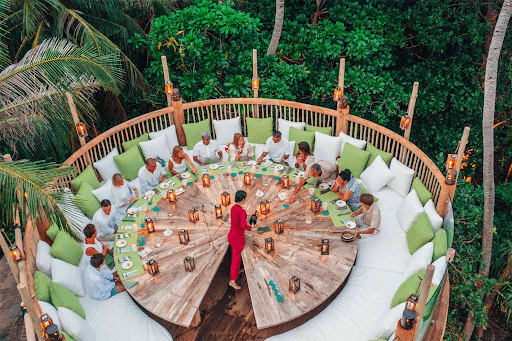

Soneva Fushi in the Maldives
There is a high demand for culinary travel, with over 80% of wealthy travelers considering gourmet adventures and new food opportunities as a fundamental aspect of their vacations. These Michelin Guided excursions are taking cuisine to the next level with bespoke, out of the box dining experiences. Luxury hotels are transforming their gastronomy expertise into all encompassing activities. Properties such as Soneva Fushi in the Maldives are offering highly theatrical dining, through their elevated tree-pod dining in which food is delivered via zipline. Privacy and intimacy are major factors in the rise of luxury culinary tourism, and what better way to bask in the rich culture around you than through experiencing every step of the way.
The fastest growing segment of affluent travel is found in luxury culinary tourism. Opulent gastronomes are prioritizing “taste-of-place” experiences, and are moving towards authentic culture driven dining experiences that paint a unique picture. By seeking a deeper understanding of where the food comes from, high end travelers are connecting with landscapes, flavours, and local luxury cuisine excursions. These factors have become a new wave status symbol in high end hospitality, with the increase of celebrity chef collaborations, secluded resort dining, and interactive elements to appease culinary connoisseurs. This food movement has been heavily driven by Baby Boomers, Gen X, and affluent millennials. These age groups routinely spent between $500 to $1,200 daily on food and beverage focused activities on their luxury holidays. Affluent spenders are appreciating the lifestyle and outsourcing of meal preparation, as well as embracing health conscious “clean eating” during their dining experiences as opposed to solely eating at a restaurant because of how rare their cuisine is.

Culinary Travels Magazine Cover
Meaningful connections and relationships in luxury businesses are at an all time high, and the luxury culinary industry has seen an astronomical increase in this belief. With wealthy diners, opting to explore new regions and experience one of a kind culinary experiences, more culinary creatives are gaining recognition and appreciation for the story they are telling through their food. No one dish is the same in the luxury culinary world, making room for a vast spectrum of flavours and delicacies to be explored.
Ontario Culinary