Fashion
The Return of Power Dressing: Are Suits Back?
Written By Mariana Lora

Power dressing is back and it is impossible to ignore. Oversized blazers, strong shoulders, structured tailoring and monochromatic suits have once again taken over runways, celebrity wardrobes and social media feeds. What was once viewed as outdated corporate fashion from the 1980s has returned as one of the defining aesthetics of modern style.
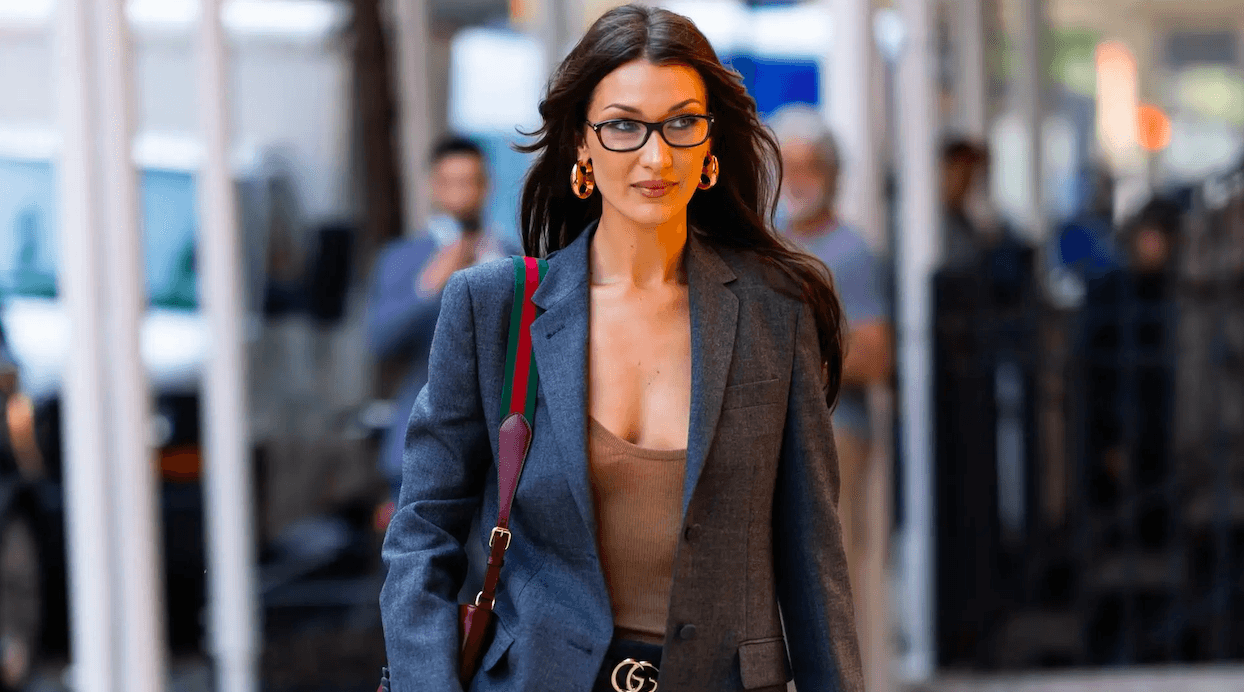
Image by Getty
But this revival is about more than just clothing.
The original era of power dressing emerged during the 1980s, when women increasingly entered corporate spaces traditionally dominated by men. Designers like Giorgio Armani, Thierry Mugler and Yves Saint Laurent popularized sharp tailoring, exaggerated shoulders and structured silhouettes that projected authority and confidence. The suit became armour.
Today’s version carries a different energy. The modern power suit is less about conformity and more about reinvention. Celebrities like Zendaya, Hailey Bieber and Bella Hadid have helped transform tailoring into everyday fashion, styling oversized blazers with sneakers, mini shorts, ties and bralettes rather than traditional office wear. The suit has moved out of the boardroom and into street style, nightlife and influencer culture.
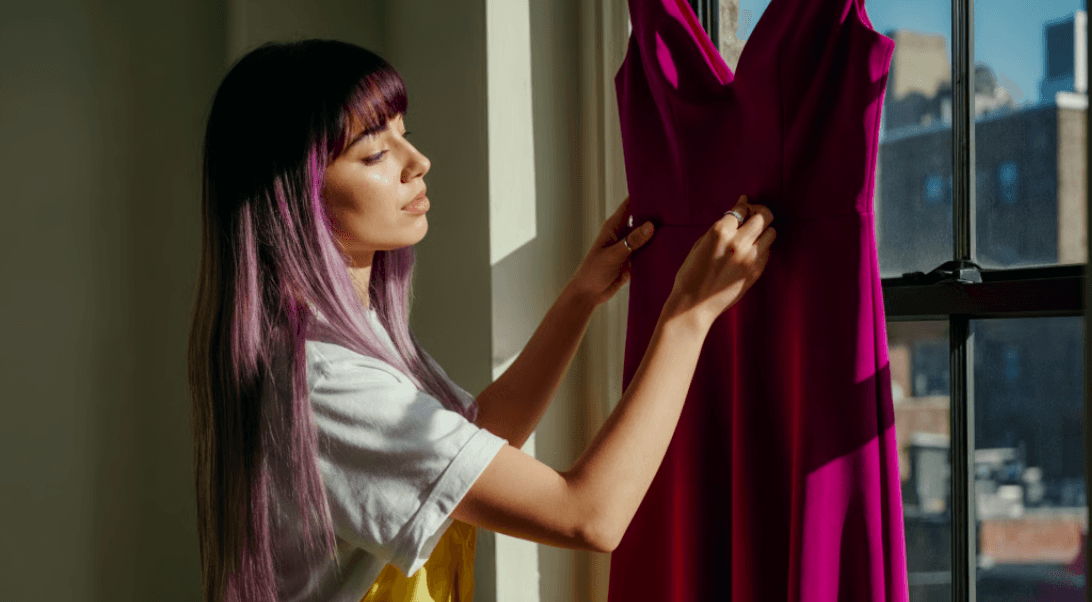
Image by Matt Greany
They have helped shift the audience’s perception of suits from something associated only with offices, masculinity and rigid professionalism into something that can also feel powerful, feminine and elegant. The message is clear: tailoring no longer has to sacrifice beauty for authority.
On the runway, brands including Saint Laurent, Ferragamo and Versace have embraced broad shoulders and boxy silhouettes heavily inspired by 1980s tailoring. Fashion weeks in Paris and Milan have been filled with structured coats, waistcoats and oversized suiting, often styled in ways that blur masculine and feminine dressing entirely.
Part of the reason the trend resonates so strongly may lie in the current cultural climate. Fashion historically reflects social and economic tension, and many analysts argue that the return of power dressing mirrors growing conversations around ambition, hustle culture and financial instability. In the 1980s, power suits symbolized upward mobility and aggressive corporate success during an era shaped by capitalism and individualism. Today, similar themes are reappearing online through “girl boss” culture, productivity trends and the pressure to constantly achieve.
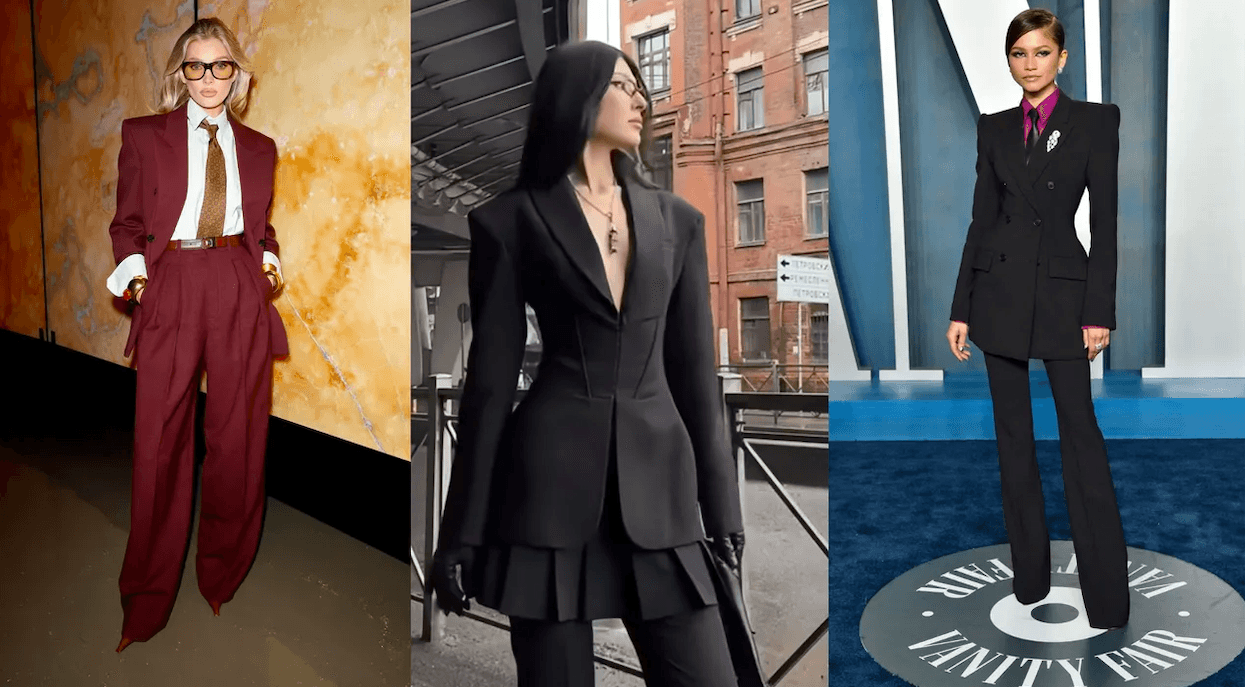
Image by Chiara Dutta
Social media has accelerated the revival. TikTok trends such as “corporate-core” and “office siren” have reframed office-inspired fashion as aspirational rather than restrictive. For younger audiences, the suit represents independence, ambition and sophistication, even for those who do not work in corporate environments.
The return of power dressing ultimately reflects fashion’s constant cycle between structure and rebellion. In a fashion landscape dominated by micro-trends and fast-moving aesthetics, the suit offers something more grounded, an image of control in a time that often feels chaotic.