
BUSINESS
The Return Of Grand Entertaining In Luxury Homes
Written by felix shentaler

Every generation has its own way of gathering at home, from the conversation pits of the ’70s to the open‑plan kitchens of the 2000s, and today’s luxury residences are ushering in yet another evolution. After years of casual, multifunctional spaces dominating design trends, homeowners are embracing the art of hosting with a sense of ceremony in design‑forward rooms that adapt as easily to a lively Saturday dinner party as a quiet family meal. As a result, the modern luxury home is evolving into a stage for grand entertaining, blending tradition with contemporary expectations of comfort.
Hosts are crafting evenings that encourage participation, whether through a wine tasting in the living room, a make‑your‑own pizza night around the outdoor oven, or a cocktail hour where everyone learns to mix the same signature drink. This emphasis on doing something together has reshaped the architecture of luxury homes, inspiring spaces that invite interaction rather than passive dining.
Getty images/cr8tivguy
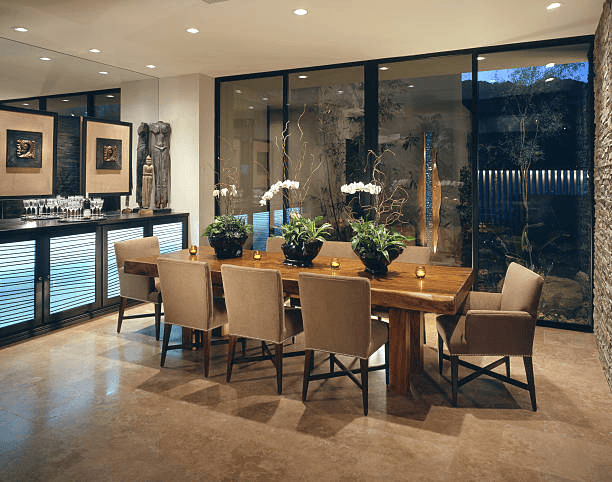
For years, the dedicated dining room seemed destined for extinction, overshadowed by open floor plans and the casual ease of eat‑in kitchens. But now, formal dining rooms are returning with renewed purpose. Rather than serving as rarely used showpieces, they are being reimagined as immersive environments where guests can linger over long meals and thoughtful conversation. Designers are leaning into rich materials, sculptural lighting, and curated art pieces. The formality is intentional, offering a setting where the ritual of dining becomes an experience in itself.
iStock/archideaphoto
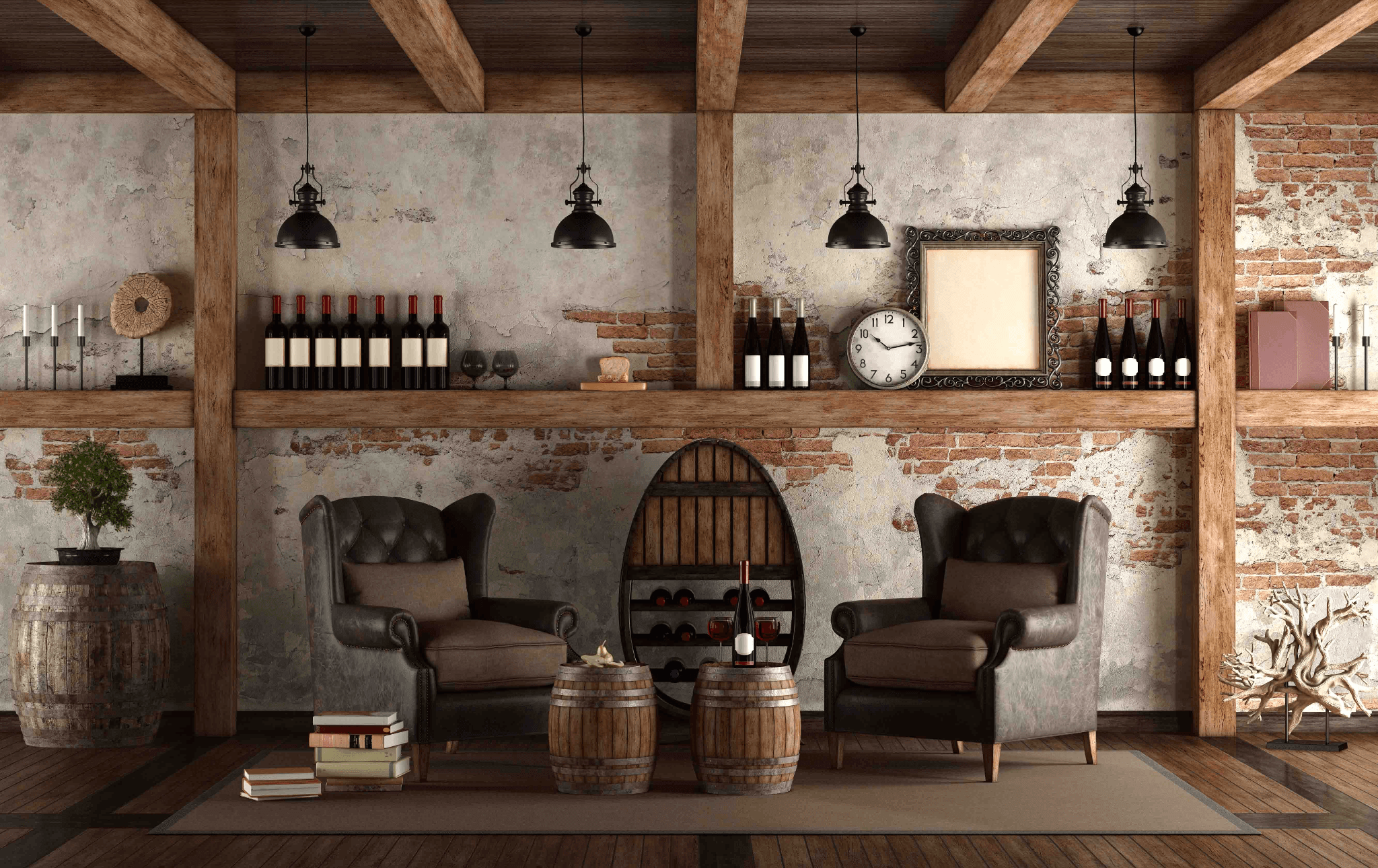
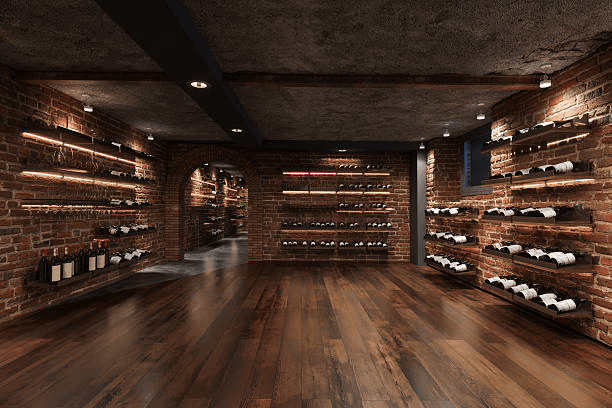
Alongside the resurgence of formal dining is a growing emphasis on sophisticated wine programs within the home. Collectors are commissioning temperature‑controlled cellars, sculptural decanters, tasting lounges, and display walls to flex their status as wine aficionados. These spaces are designed for both storage and storytelling, allowing hosts to share the provenance of a bottle or the memory tied to a particular vintage. The experience becomes an extension of the homeowner’s identity, blending connoisseurship with hospitality and transforming the act of pouring a glass into a curated moment.
Getty Images/Vostok
Getty images/onurdongel
Wine clubs are also appealing to frequent hosts because they simplify the process of choosing, buying, and discovering new bottles. For many people, the biggest draw is convenience: instead of wandering through a store trying to guess what guests may like, a curated selection simply arrives at your door. Many clubs will also offer lesser‑known regions or small‑production wineries that you wouldn’t encounter in a typical shop.
Getty images/AzmanL
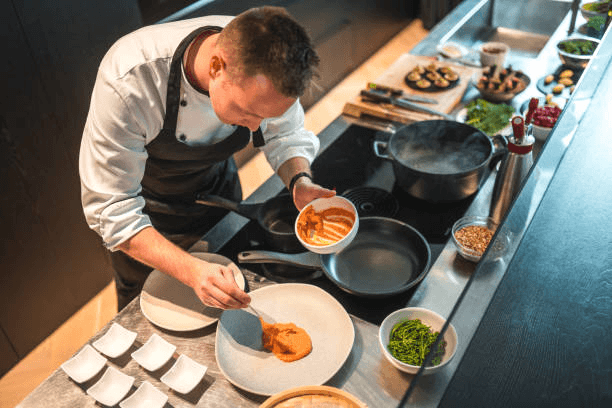
The rising popularity of private chefs further elevates the return to grand entertaining; what was once a niche service has grown into a major sector of the luxury lifestyle market. With a private chef, there is no need to secure reservations, wait for a table, or rely on outside catering. Busy homeowners can enjoy exceptional meals without sacrificing time, and hosts can focus entirely on their guests rather than the logistics of cooking. Collaborating with nutritionists to design menus that support specific lifestyles and prioritizing farm‑to‑table sourcing, chefs bring restaurant‑level expertise into the home. The relationship between homeowner and chef often becomes a creative partnership, one that turns each event into a bespoke culinary experience.
Getty images/The Good Brigade Getty images/Patrick McMullan

Getty images/HBSS
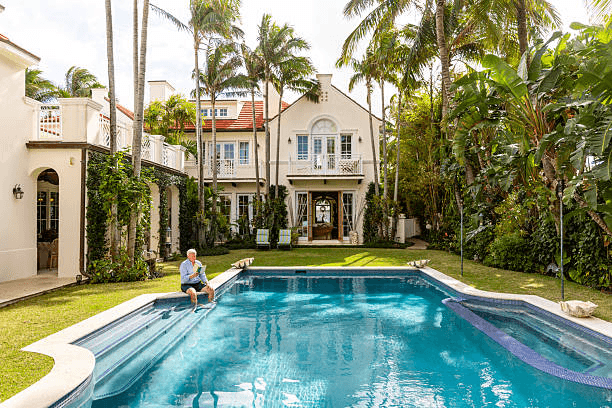
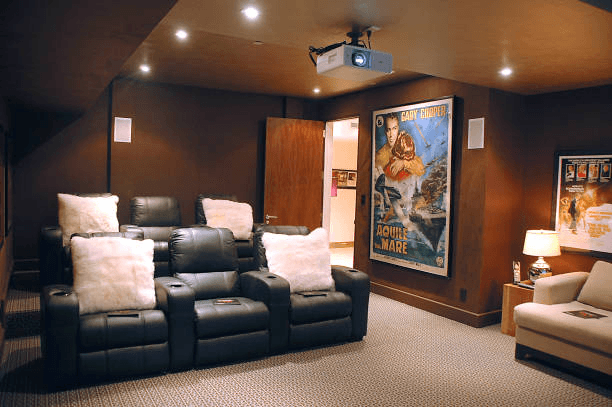
Luxury homes are increasingly borrowing cues from boutique hotels and luxury resorts, incorporating amenities that anticipate guests’ needs before they arise. With cinema‑quality screening rooms, immersive entertainment lounges, and performance‑ready music spaces, homeowners can host film premieres, live‑music nights, or sports‑viewing parties that feel as polished as any public event, yet unfold in complete privacy. Outdoor pavilions, resort‑style pools, private sports courts, and multi‑level terraces allow gatherings to unfold across different zones of the property. The most elite homes will incorporate staffed gatehouses, concierge‑level management, and permanent service teams that handle everything from security to guest coordination. These service‑driven features support the architectural emphasis on grand entertaining.
The return of grand entertaining is ultimately about more than aesthetics or amenities. It represents a renewed appreciation for the human connections that flourish when people gather in spaces designed with intention. Homeowners are rediscovering the joy of hosting, crafting environments that elevate everyday life and celebrate the art of togetherness. In doing so, they are shaping a new era of residential design that honours traditional hosting motifs while embracing the possibilities of modern living.