Business
The Psychology of Luxury Spending During Economic Uncertainty
Written By Eshana Nanar

At first glance, luxury spending during economic uncertainty seems completely contradictory. Inflation rises, consumers cut back on essentials, recession fears dominate headlines yet luxury fashion, fine jewelry, and designer handbags continue selling at astonishing rates.
But psychologically, luxury spending during difficult economic periods is far more complex than simple overspending.
One major explanation is something economists often refer to as the “lipstick effect.” The theory suggests that during economic downturns, consumers still seek smaller forms of indulgence even while reducing larger purchases. Instead of buying a new home or taking an extravagant vacation, shoppers may splurge on beauty products, accessories, or designer fashion pieces that still provide emotional satisfaction.
Luxury purchases carry emotional symbolism. During periods of uncertainty, expensive products can represent stability, aspiration, or personal achievement. Owning luxury items may create a sense of confidence and control when broader economic conditions feel unpredictable.
Social media has intensified this behaviour significantly. Platforms like TikTok and Instagram constantly expose audiences to aspirational lifestyles, making luxury consumption feel normalized even during financially stressful periods. Fashion aesthetics associated with wealth, exclusivity, and status continue driving consumer desire online.
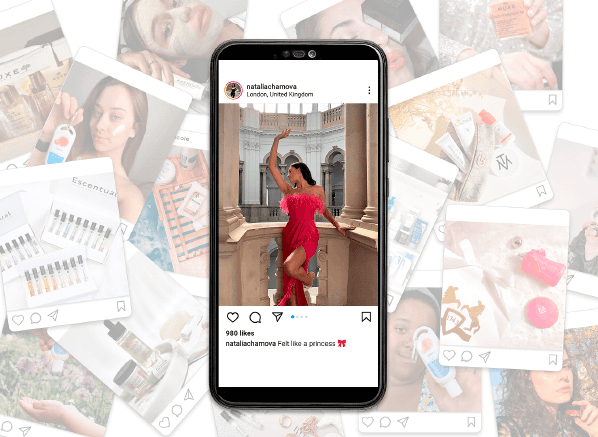
There is also a growing emphasis on “investment dressing.” Consumers increasingly justify luxury purchases by viewing them as long-term investments rather than impulse buys. Classic handbags, watches, and jewelry are often perceived as items that maintain value better than fast-fashion purchases tied to short-lived trend cycles.
Younger consumers are playing a surprisingly large role in sustaining luxury markets as well. Gen Z shoppers often prioritize identity, aesthetics, and lifestyle experiences differently than previous generations. For many younger consumers, luxury purchases feel emotionally worthwhile even if traditional financial milestones like buying property feel increasingly out of reach.
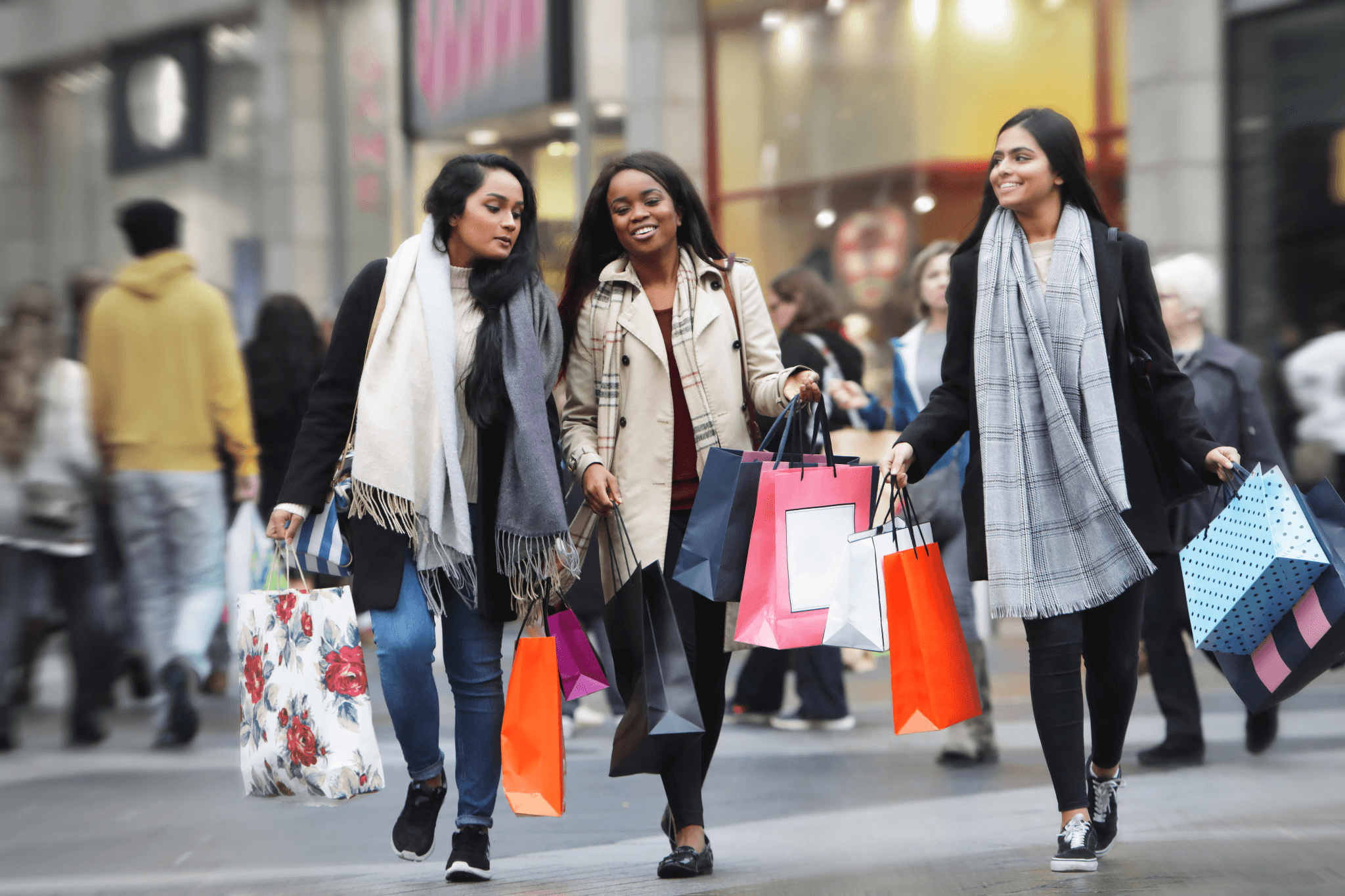
Scarcity plays a major psychological role. Luxury brands intentionally create exclusivity through waitlists, limited releases, and selective product availability. This increases desirability, especially during periods when consumers crave emotional gratification or visible status symbols.
At the same time, luxury brands often remain surprisingly resilient during recessions because their wealthiest customer base continues spending regardless of broader economic slowdowns. Ultra-high-net-worth consumers remain largely insulated from inflation pressures, helping major fashion houses maintain profitability even when middle-class spending weakens.
Fashion psychologists also point toward emotional escapism. Shopping can temporarily relieve stress and anxiety by creating excitement, anticipation, and instant gratification. Luxury shopping amplifies those emotions because purchases are tied not only to ownership, but to identity, fantasy, and aspiration.
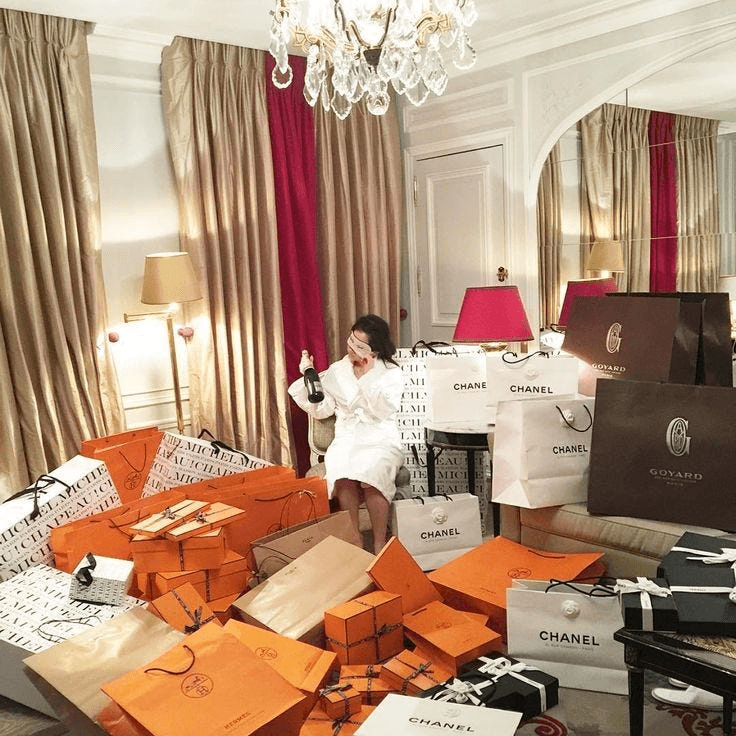
That emotional connection is exactly why luxury spending remains strong even during economic instability. Consumers are not simply buying products, they are buying reassurance, confidence, status, and a version of the lifestyle they want to project.
And in uncertain times, those feelings often become more valuable than ever.