Business
The New Era of Quiet Luxury Interiors
Written By Eshana Nanar
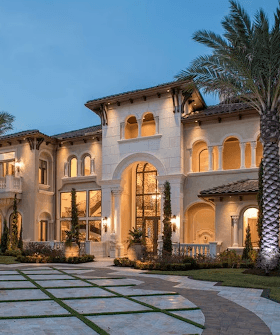
In recent years, luxury interiors have been defined by perfection. Clean, crisp palettes, ultra-minimalist houses with marble everything, cold neutrals, and furniture that looked too expensive to actually sit on, dominated design trends across social media. The “clean girl” aesthetic has infiltrated more than just the beauty space, slowly seeping its way into other aspects of our lives and uniqueness. Homes became curated showrooms rather than places people genuinely lived in. But in 2026, that idea of luxury is shifting entirely.
The new era of high-end interior design is softer, warmer, and far more personal. Today’s luxury penthouses and estates are embracing what designers are calling “quiet luxury interiors,” spaces that feel peaceful without looking overly styled. Instead of chasing synthetic perfection, homeowners are leaning into depth, texture, wellness, and emotional comfort. The result is a new kind of luxury that values atmosphere over excess, or a lack thereof.
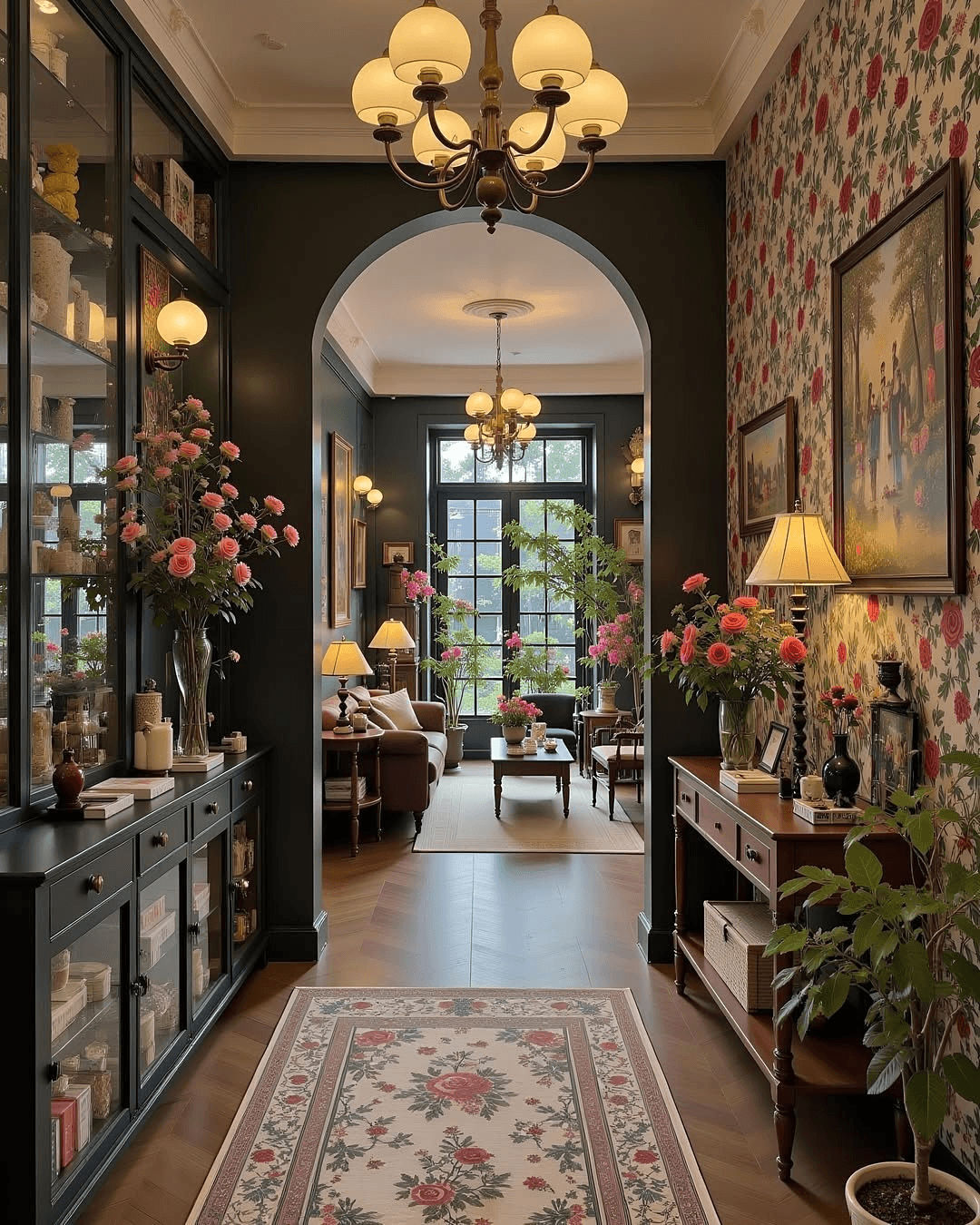
One of the biggest shifts happening right now is the return of meaningful spaces. Modern luxury homes are no longer designed to impress strangers online; they are being built to create emotional experiences for the people living in them. Designs are focusing heavily on colour, form, and layout in ways that create the staycation homeowners didn't know they needed. This can especially be seen in the rise of earthy palettes and layered textures. Warm neutrals, olive greens, rich chocolate browns, limestone finishes, textured tiles, and natural woods are replacing the stark black-and-white minimalism that dominated the early 2020s. These tones create depth with a quiet softness, elevating these spaces while remaining comforting and grounded.
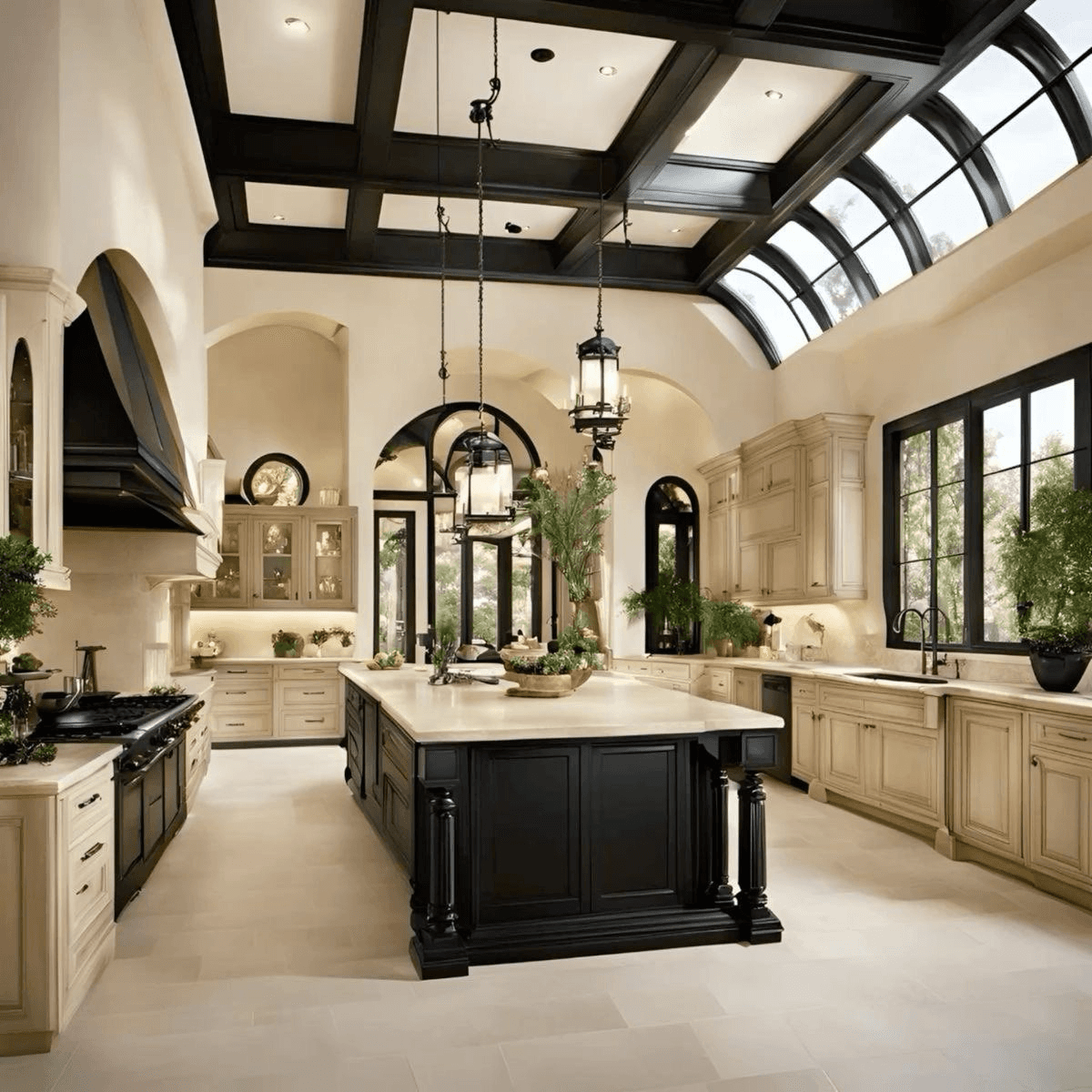
Natural materials are becoming essential in luxury interiors as well. Stone kitchen islands with imperfect veining, unfinished woods, handmade ceramics, limewash walls, and textured fabrics are being prioritized over glossy manufactured finishes. The imperfections are carefully crafted, the appeal comes from the fact that these materials age naturally and tell a story over time. The home becomes a reflection of the individual's personality, curated room to room, that is specific and meaningful to them instead of being overly saturated. That idea of imperfection is central to the quiet luxury movement. Designers are increasingly rejecting the belief that perfection automatically equals beauty. A perfectly styled home can often feel cold or emotionally disconnected. Instead, homeowners are embracing interiors with personality, spaces that reflect memories, routines, and individuality.
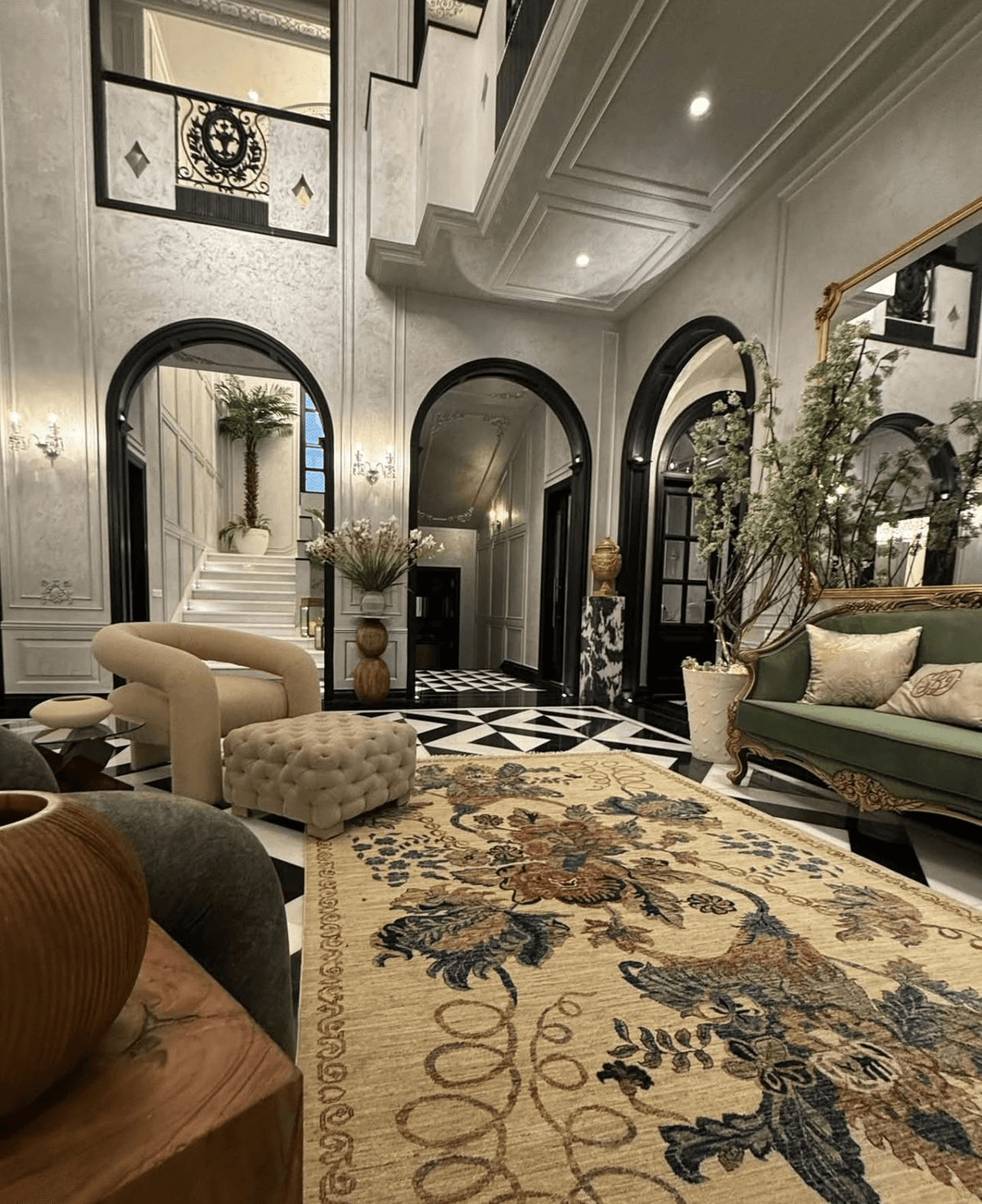
Mental clutter has also become a major conversation in interior design. While minimalism still influences many luxury homes, the approach is softer than before. It is no longer about stripping spaces of personality in the name of aesthetics. The goal is creating calm without creating emptiness. Many 2026 penthouses still maintain minimalist foundations, but they are layered with warmth through books, vintage décor, sculptural lighting, textured fabrics, and collected objects that make a home feel human. Rooms are filled with pieces that tell stories and are filled with soul, and that is what makes this era of luxury homes and interiors so beautiful. These spaces are a form of communication of the individual human experience, the peace of a home that is curated not to a specific aesthetic but to you.
Lighting itself has become one of the defining features of modern luxury interiors. Warm lighting is replacing harsh white LEDs in almost every room. Designs are prioritizing ambient lighting, oversized statement lamps, concealed lighting features, and natural daylight to create softer atmospheres throughout the home. Open-concept layouts are also evolving to feel more intimate through strategic lighting design and curved architectural forms.
Wellness-focused spaces are another trend dominating luxury estates in 2026. Spa-inspired bathrooms have become a major status symbol, featuring oversized soaking tubs, natural stone finishes, rainfall showers, and calming neutral palettes designed to replicate boutique wellness retreats. Many luxury homeowners are also incorporating meditation rooms, infrared saunas, cold plunge spaces, and quiet reading areas into their homes as wellness increasingly becomes intertwined with interior design.
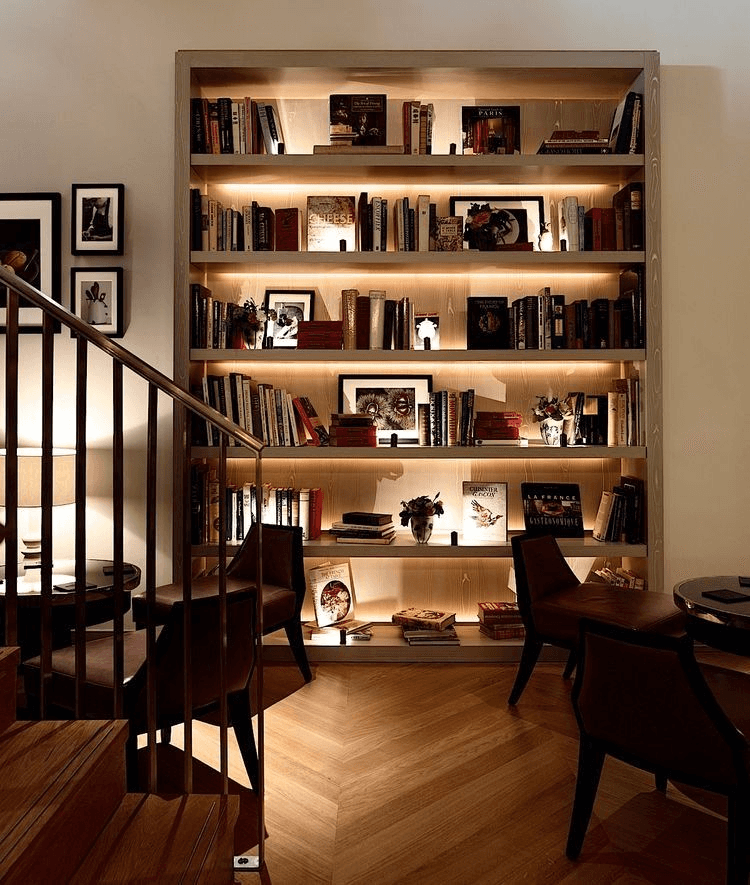
What makes this new era of luxury so interesting is that it feels less performative than previous trends. The focus is no longer on creating homes that resemble art galleries or futuristic concept spaces. Instead, designers are creating interiors with soul, homes that feel deeply personal, emotionally grounding, and genuinely lived in. Quiet luxury interiors reflect a broader cultural shift. After years of hyper-curated social media aesthetics, people are craving authenticity again. Luxury is no longer about having the loudest house or the most expensive finishes. In 2026, true luxury is creating a space that feels warm, peaceful, and entirely your own and that if worth more than any amount of money could buy.