
Business
Market Analysis - Private Aviation Boom
Written By Mariana Lora

As demand rises, competition between private aviation industry leaders is intensifying forcing brands to sharpen their identities and rethink what luxury in the sky looks like.

Image by Aircharter Services
At the top of the market, Gulfstream Aerospace continues to lead with a focus on speed, engineering and passenger well-being. Its aircraft are designed for long-haul efficiency, but the brand’s competitive edge lies in cabin design. Gulfstream emphasizes wider cabins, its signature panoramic oval windows and lower cabin altitude features intended to reduce fatigue and improve comfort on long international flights. For high-frequency travellers, particularly those balancing global business or media commitments, these details are positioned as both a luxury and a necessity.
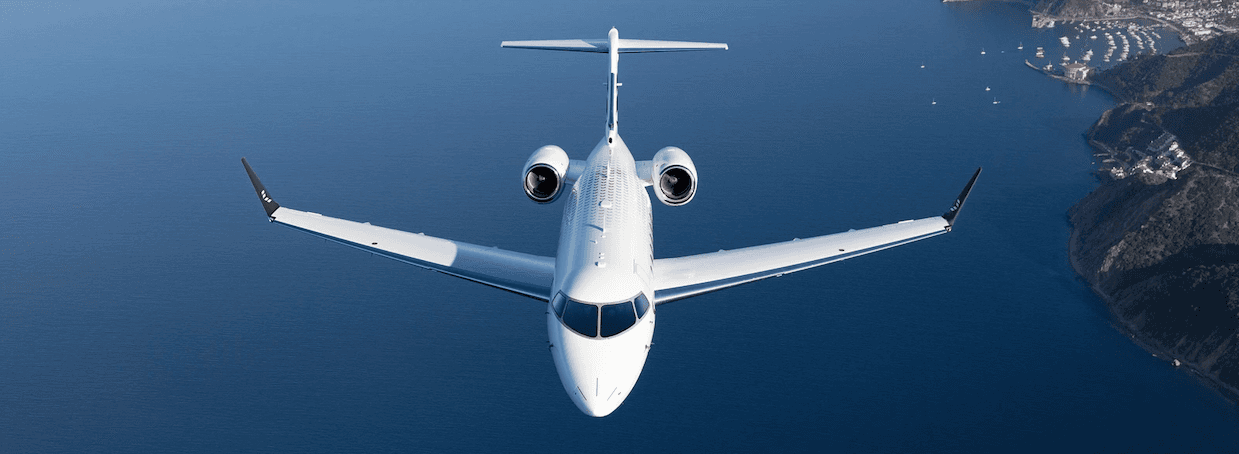
Image by Bombardier.com
In contrast, Bombardier is leaning heavily into the idea of the aircraft as a living space. Its Global series highlights include four distinct living zones, allowing for separation between work, dining, rest and entertainment. The company’s “Nuage” zero-gravity seating is marketed as a breakthrough in passenger comfort, while features like a stand-up shower push the experience closer to that of a high-end residence. This approach reflects a broader shift: for many new buyers, particularly those from entertainment and influencer industries, the jet is not just transportation, it is an extension of lifestyle and personal brand.
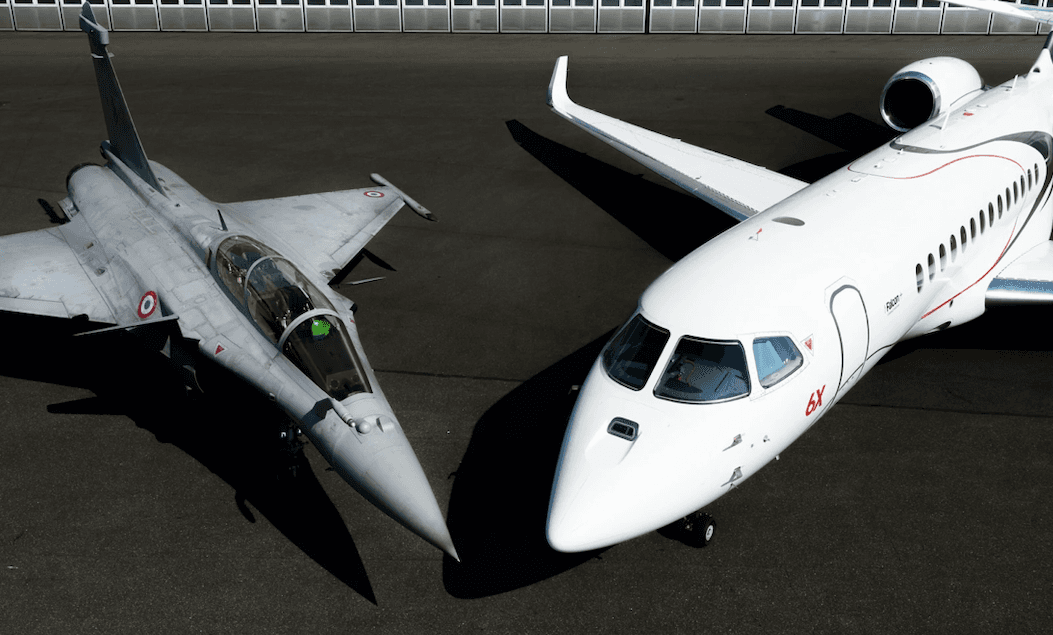
Image by Dassault Aviation
Meanwhile, Dassault Aviation, the maker of Falcon jets, continues to differentiate itself through efficiency and technical innovation. While it may not emphasize lifestyle features as heavily as its competitors, its focus on performance and lower operating costs appeals to a more pragmatic segment of the market, entrepreneurs and executives who prioritize function alongside luxury.
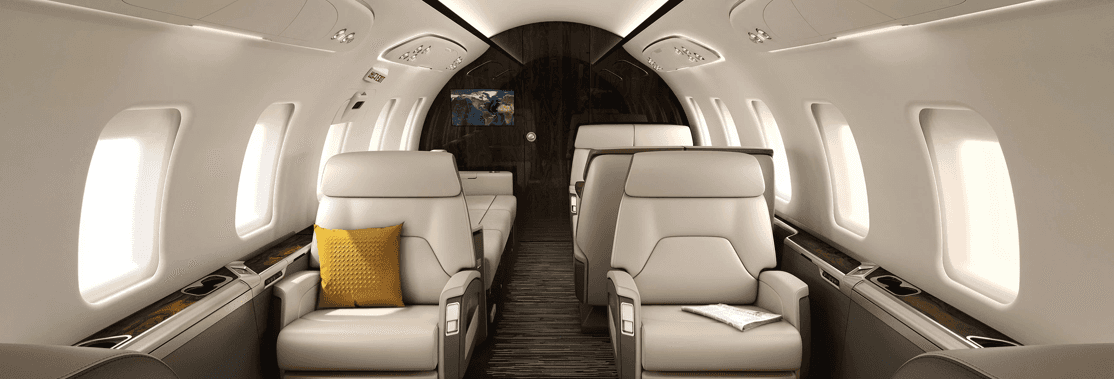
Image by Bombardier.com
This competitive positioning is unfolding against a changing customer base. Younger buyers, many under 45, are entering the market at increasing rates, often with rapidly generated wealth through entertainment, digital platforms and entrepreneurship. For this group, private aviation is as much about image and flexibility as it is about convenience. Aircraft interiors, design and even brand alignment are becoming part of a broader lifestyle narrative that extends beyond travel.
The result is a market that is becoming increasingly competitive. Bombardier’s focus on residential-style comfort directly contrasts with Gulfstream’s emphasis on performance-driven luxury, while Dassault’s efficiency-focused approach offers a third path. Each brand is responding not just to demand, but to a redefinition of what private aviation represents.
As the industry evolves, one thing is clear: the private jet, once reserved for the ultra-wealthy one per cent and kept largely out of public view as a quiet marker of status, is now being pushed into the spotlight by lifestyle influencers and celebrities. What was once discreet is increasingly visible, woven into social media and personal branding. As a result, the battle between manufacturers is shifting. It is no longer just about performance and efficiency, but also about aesthetics, experience and a curated image of modern luxury.