Business
Is AI Taking Over Fashion? 5 Tips on How to Shop in the AI-Powered World
Written By Felix Shentaler

Generative AI is a major concern for a lot of creatives. With the global shift towards AI-powered technology, where does fashion stand?
You may not be surprised to find out that AI-integrated technology has made its way into the fashion sphere, but the reception has been fairly mixed. My own stance is not so neutral.
Have you ever bought a shirt online only for it to show up and look completely different from the listing? Has a beautifully handcrafted evening gown shown up on your social media feed, advertising itself as only $50? AI-generated images advertising clothing have been appearing frequently, which ends with unsatisfied customers and wasted money. There’s a reason why “Expectations Vs Reality” is practically synonymous with online shopping, and it has only gotten worse with the AI surge. Online threads that have dedicated themselves to these fails are flooded with content that you could scroll through for hours.
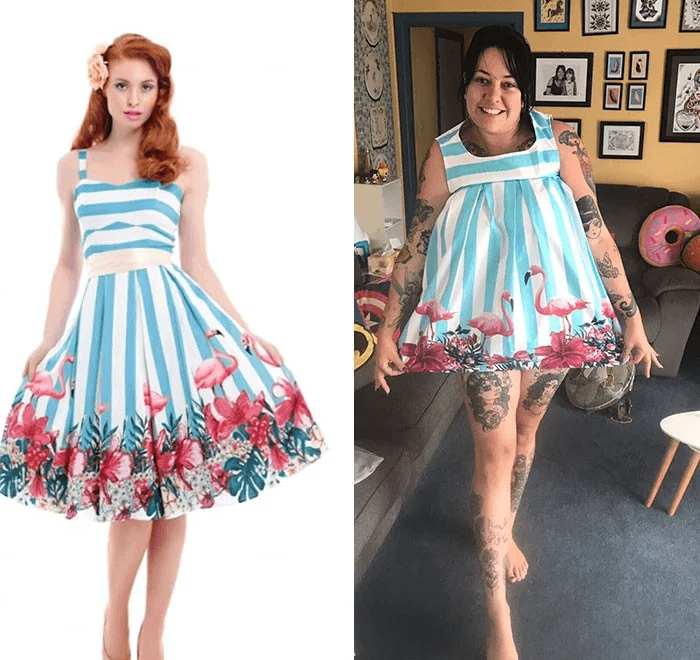
From Reddit user u/EndersGame_Reviewer in r/ExpectationVsReality
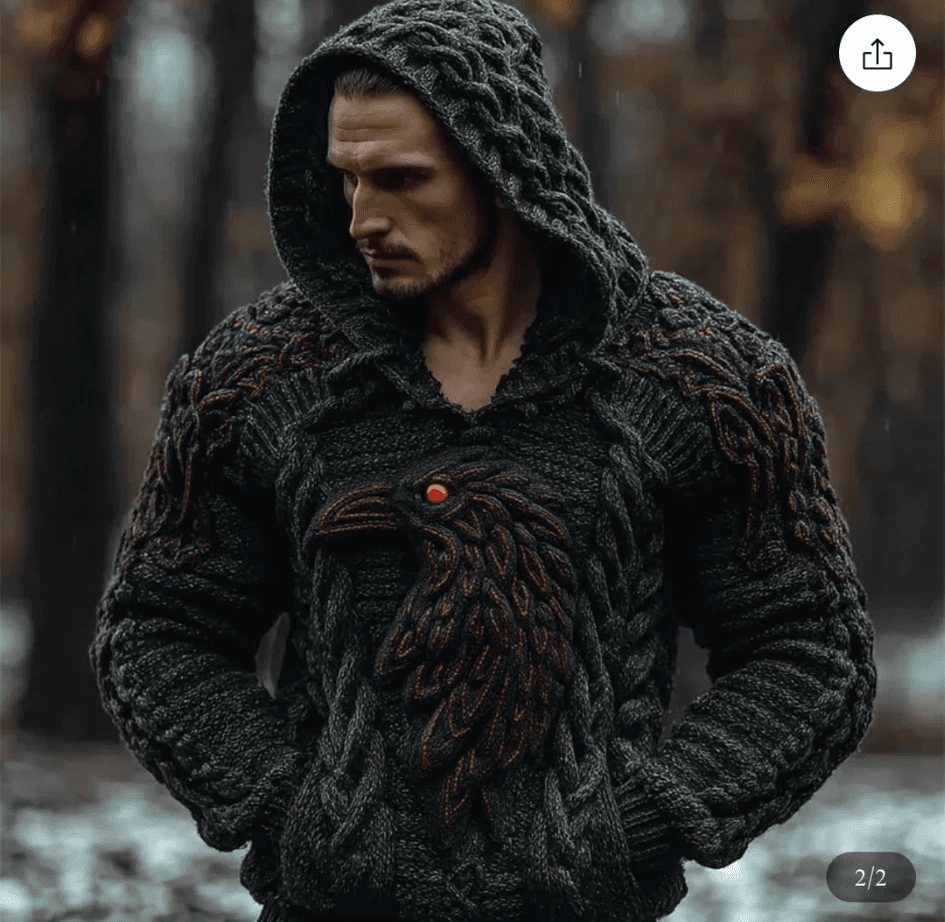
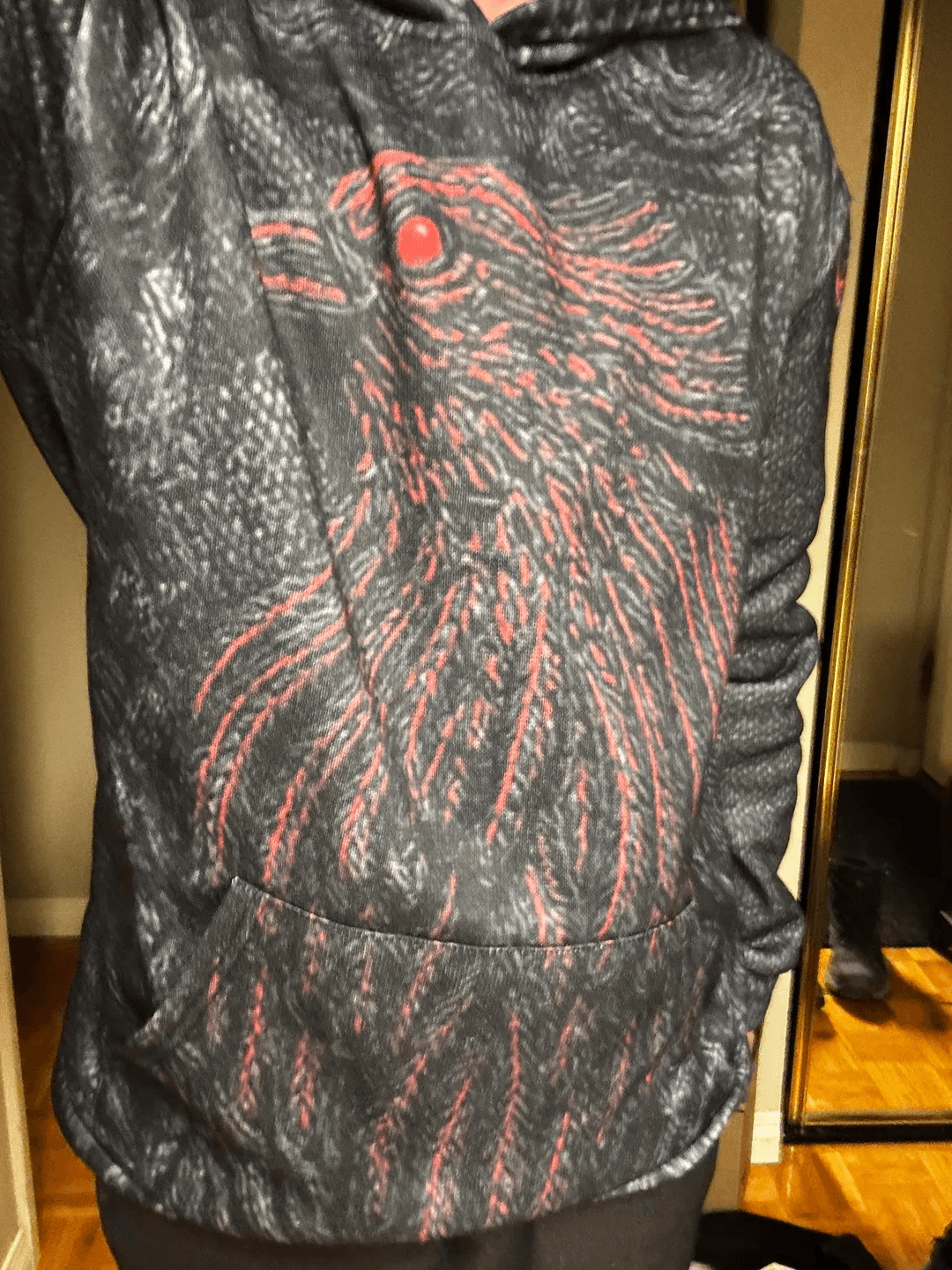
From Reddit user u/LazagnaAmpersand in r/ExpectationVsReality
While it may not be immediately apparent, if you’re able to spot these fake images, advertisements, and listings, you’re far less likely to click that purchase button. With the advancement of AI technology and image generation, it may soon become impossible for the average customer to differentiate real and fake listings.
Online shopping is extremely convenient; there’s no shame in falling for false advertisements! They are created with the sole purpose of making you fall for them. With these 5 quick steps, you can save yourself money and headaches in exchange for just a few extra minutes before checking out.
Always inspect the pictures. If something looks unnatural, impossible, or otherwise wrong– It probably is! If your instinct says something is wrong, trust your gut. While AI has improved its ability to generate a main subject, it still struggles with backgrounds; check for items that disappear or appear randomly in the background, impossible shadows, and tangled messes of limbs. If a fabric merges with the skin at the seams, it’s probably not real
If you’re still not sure, try reverse image searching. Not only can this help you determine if a design is real, but in the case that a designer has been plagiarized, you can find the original product. Sometimes, product photos are directly stolen from other shops, and you end up with much worse quality than you hoped for.
Pricing. We all love a good deal, but some deals are way too good to be true. Buying a prom dress online may seem like the best option, but a quick scroll through any “expectations vs reality” thread will show you how risky it can be. If something seems too cheap, it probably is.
Check reviews! I know it seems simple, but seriously, check them! Even if a product has overwhelmingly positive reviews, there is a chance that they are not all genuine. Look for reviews with photos from actual customers to see how the product really looks.
Finally, don’t buy from just anyone. Trusted brands are held to a much higher standard of accountability than an online store that seemingly popped up overnight. Check how long businesses have been in operation, look for information about the brand, do a quick search for the name of the company, and if you can’t find any trustworthy information, think twice before giving them your money.

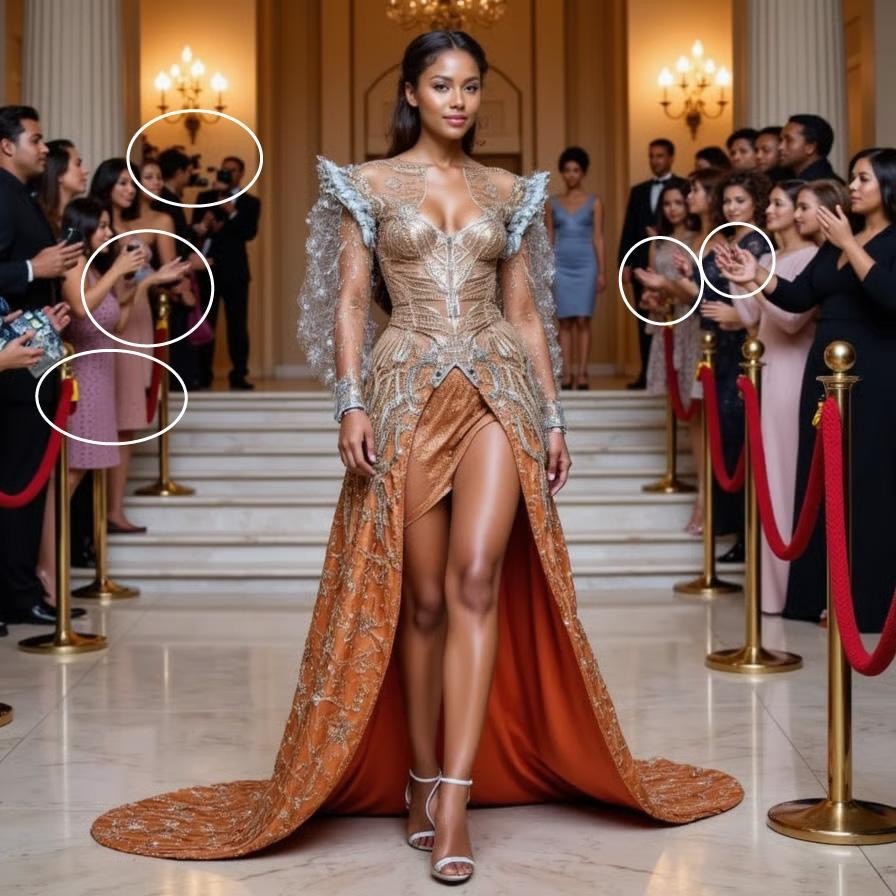
Fake listings are popping up everywhere online, and they are fuelled by AI. Do a bit of sleuthing before handing over your credit card and stay vigilant.