Business
How Luxury Brands Are Reimagining Department Store Spaces
written by eshana nanar
Shopping alone is no longer enough.
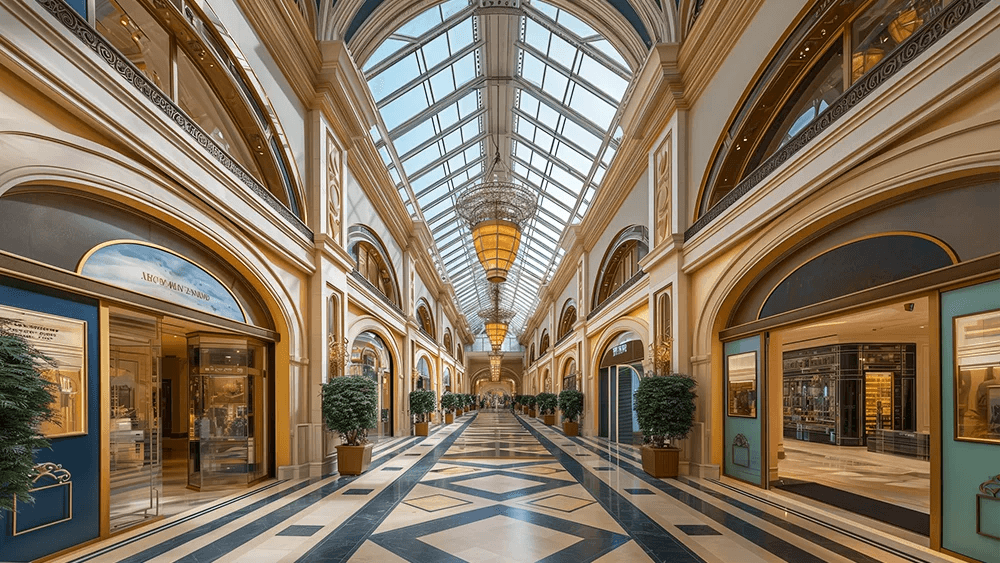
Traditional department stores are being forced into a fundamental identity crisis. For decades, their authority came from selection being the place where everything lived under one roof. But that logic collapses in a world where anything can be accessed instantly, privately, and algorithmically online. Convenience has been solved. So physical retail has had to evolve into something else entirely. Experience has become the product.
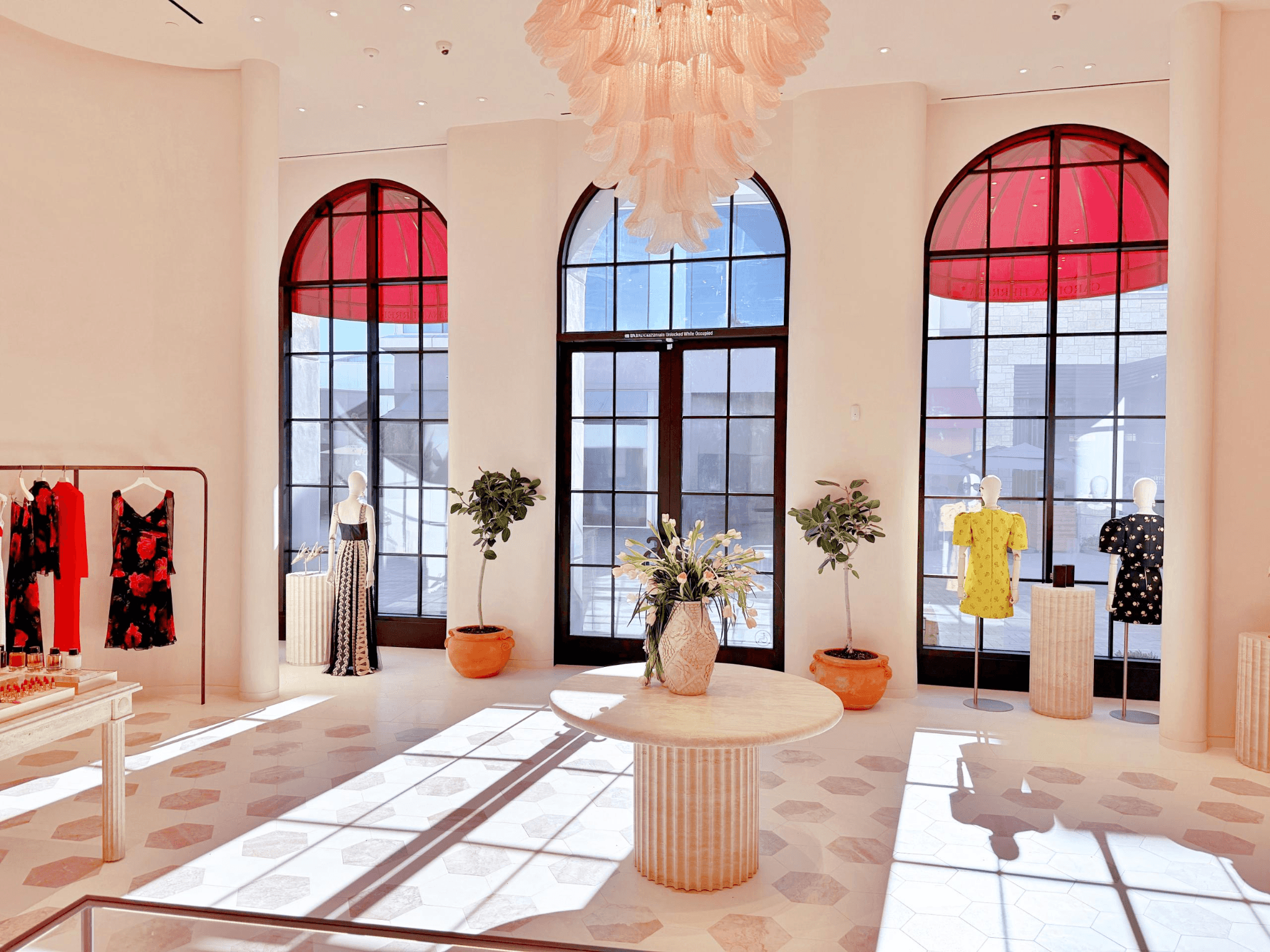
Private cafés, in-house restaurants, wellness rooms, art installations, fragrance libraries, rotating exhibitions, and hospitality-led service models are no longer add-ons they are central to how these spaces function; the transaction is secondary to the atmosphere surrounding it.
Walking into a luxury store is reframed to make consumption feel leisurely rather than urgent; the music shaping your pace, scent is diffused to anchor memory, and the staff are your hosts. Stores are competing on emotional archetecture to yield their margins.
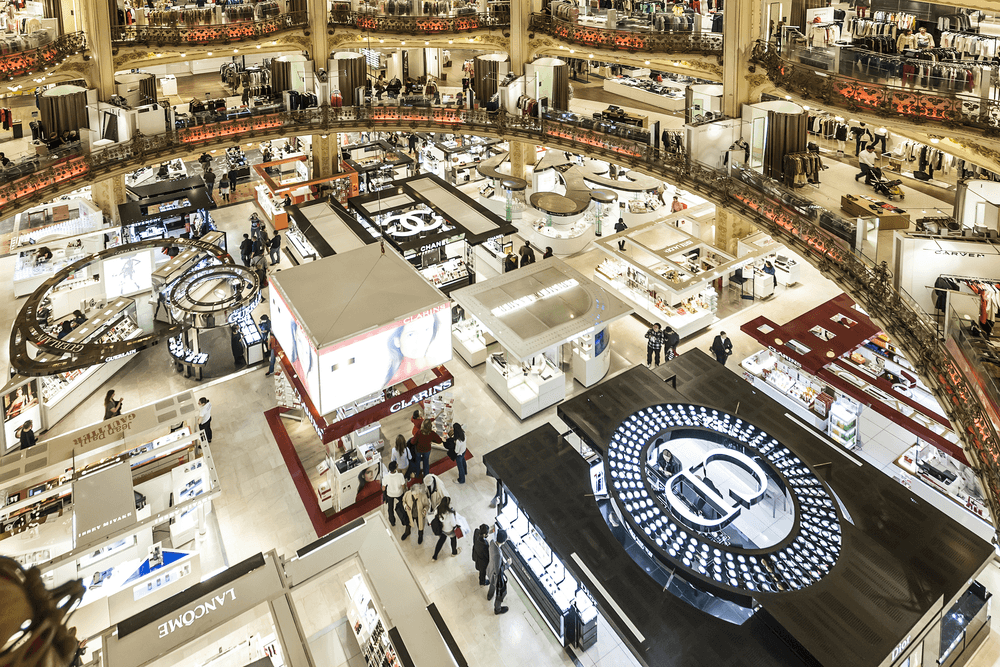
Within this broader transformation, one of the significant developments is the rise of private shopping as the ultimate expression of luxury; its deeply psychological.
Public retail symbolizes access, and that smorgasbord is not for everyone.Ultra-high-net-worth consumers are seeking appointment-only environments: hidden salons, private suites, and invitation-based spaces that prioritize discretion over visibility.
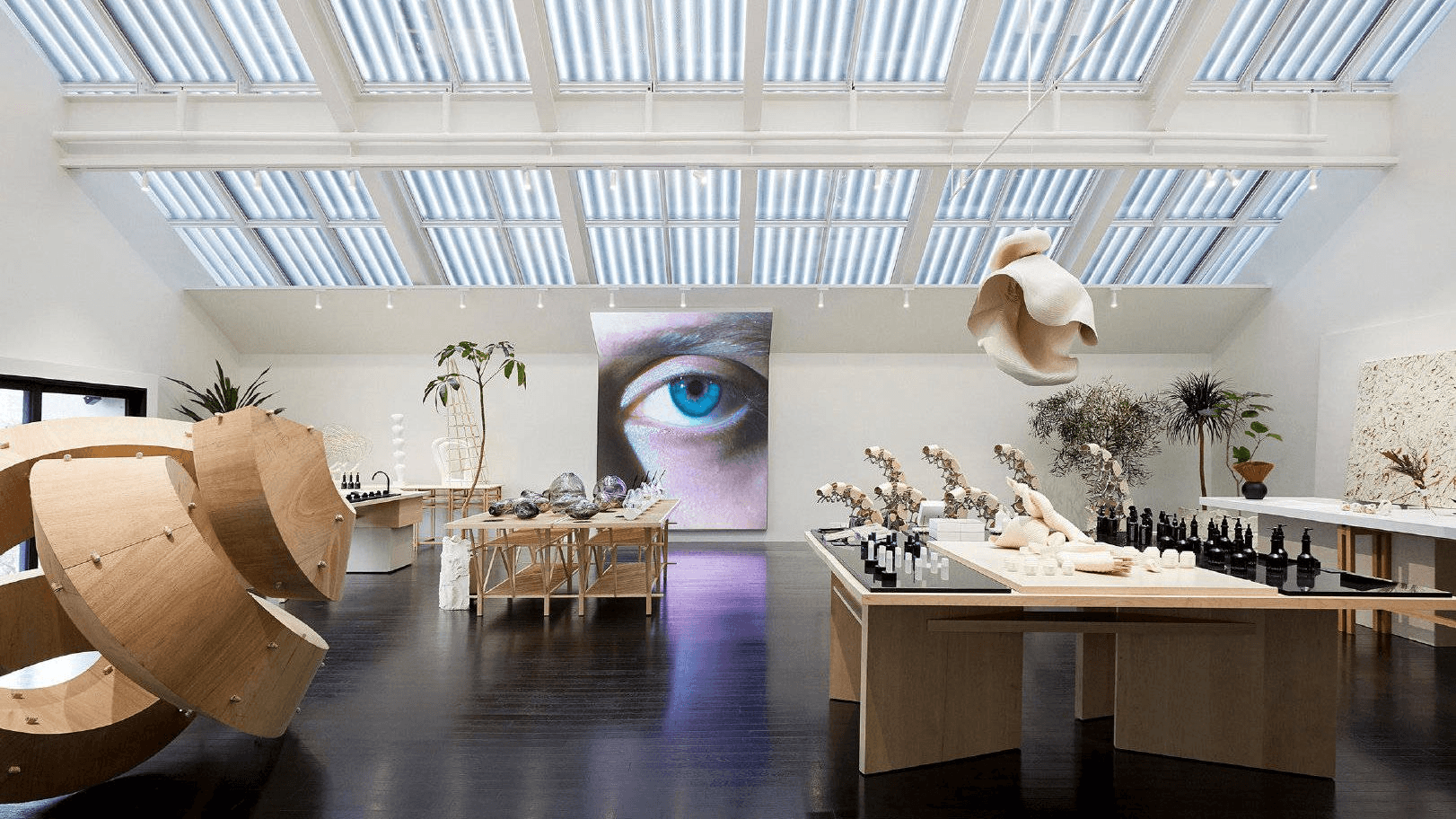
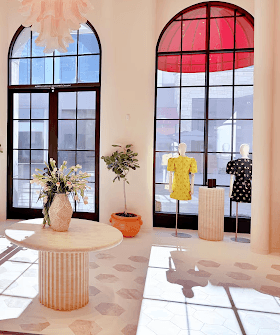
And brands are responding by building retail spaces that feel less like storefronts and more like private residences. Sofas replace display racks. Stylists replace sales associates. Conversations replace pitches. The entire structure is softened into something closer to service than selling.
Imagine arriving at a boutique where your favourite champagne is already waiting. A fitting room has been prepared in advance. Pieces have been pulled based on your preferences before you even arrive. Alterations are coordinated immediately. Collections not yet available to the public may be presented privately. In some cases, clients are given first access to limited-edition products or highly sought-after items before they reach the sales floor.
Luxury houses such as Chanel, Louis Vuitton, Dior, Hermès, and Gucci have long offered versions of these services to top clients. Some boutiques feature dedicated VIP apartments or private salons designed to feel more like elegant living rooms than retail environments. The objective is not simply comfort. It is relationship cultivation.
Because luxury brands increasingly understand that their most valuable asset is not inventory. It is loyalty.
The future of luxury retail is not about increasing volume or visibility.
It is about engineering intimacy at scale.
And the brands that understand that emotional experience not inventory will define the next era of luxury consumption are the ones quietly reshaping what shopping itself means.