Fashion
Fashion’s Return to Handcrafted Leather Goods
Written By Felix Shentaler

Fashion’s Return to Handcrafted Leather Goods

Getty Images/Dimitrie Ragar
A bag, a jacket, or a pair of shoes can carry a century of house codes in a single silhouette. Many of today’s biggest luxury fashion houses started humbly as leather goods producers. For houses reinventing themselves with new creative directors, those same leather goods are both the most visible and most durable expression of their history.
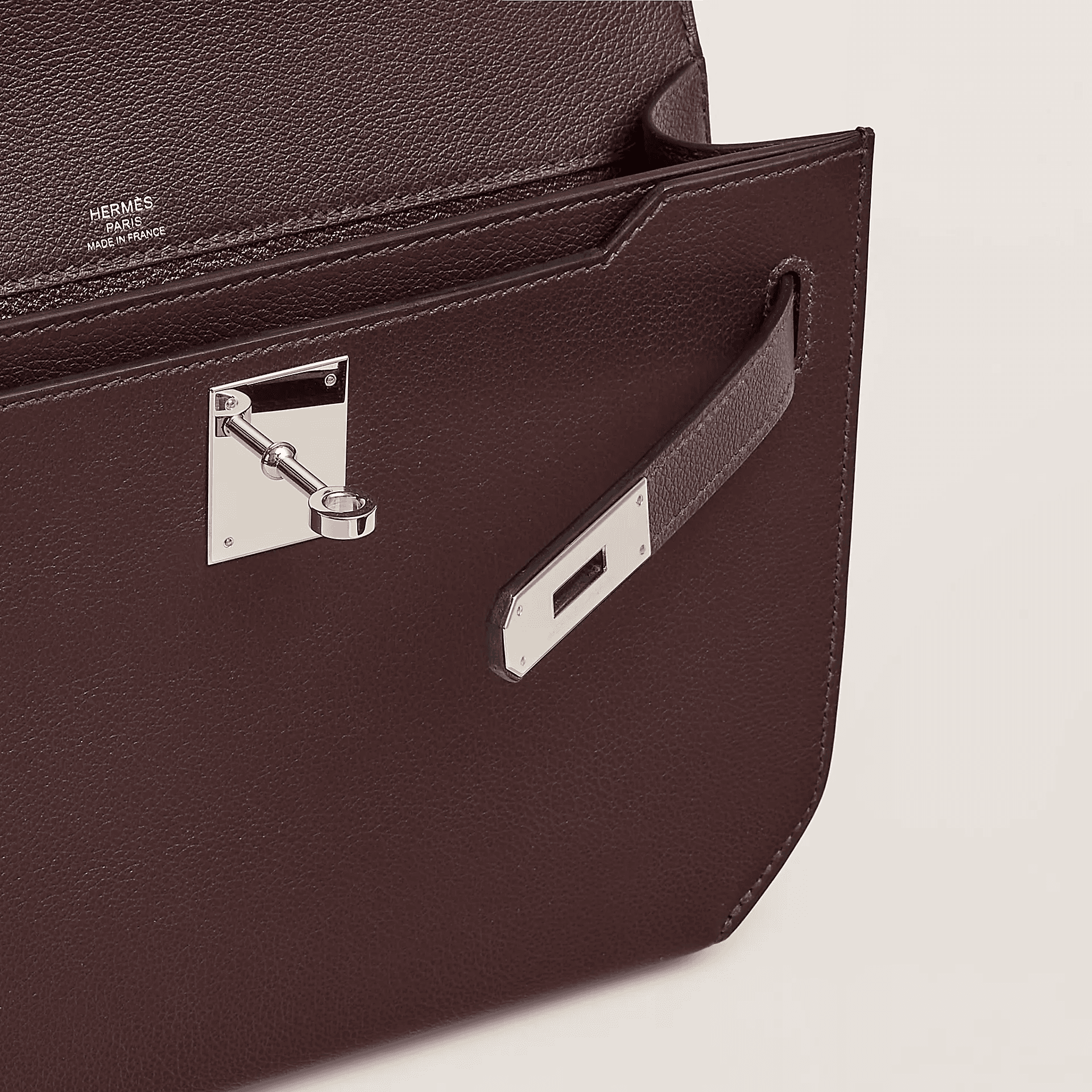
Following the influx of new designers for these heritage brands, there is a surge in treating archival leather pieces not as relics, but as blueprints. When a house employs hand‑stitching or historically accurate lining, it’s not just for nostalgia, it’s a demonstration of craft that buyers can see and feel. Continuously investing in details like this signals permanence, and for first-time buyers, these details could be what makes-or-breaks potential for brand loyalty.
Hermès has been one of the longest-standing heritage brands that still employs artisans for handcrafted leather goods, and their continued success perpetuates an overwhelming demand as the industry continuously returns to valuing craft over mass-produced goods. Reviving or maintaining archival leather techniques drives sales, creates conversation, and sets a standard that competitors follow.
Courtesy of Hermès
It’s not solely fatigue over mass-produced fashion either. Younger buyers who are concerned with sustainability are turning to vintage and handcrafted alternatives because they feel real and durable. The second‑hand and vintage leather market’s growth highlights the fatigue of consumers and the desire for items that resist obsolescence. Another significant motivator for secondhand purchasing among younger generations is the price of new luxury goods. Since some artisanal leather bags can last decades if properly maintained, purchasing secondhand is not only a way to save money but also to preserve a piece that may have otherwise been neglected or discarded.
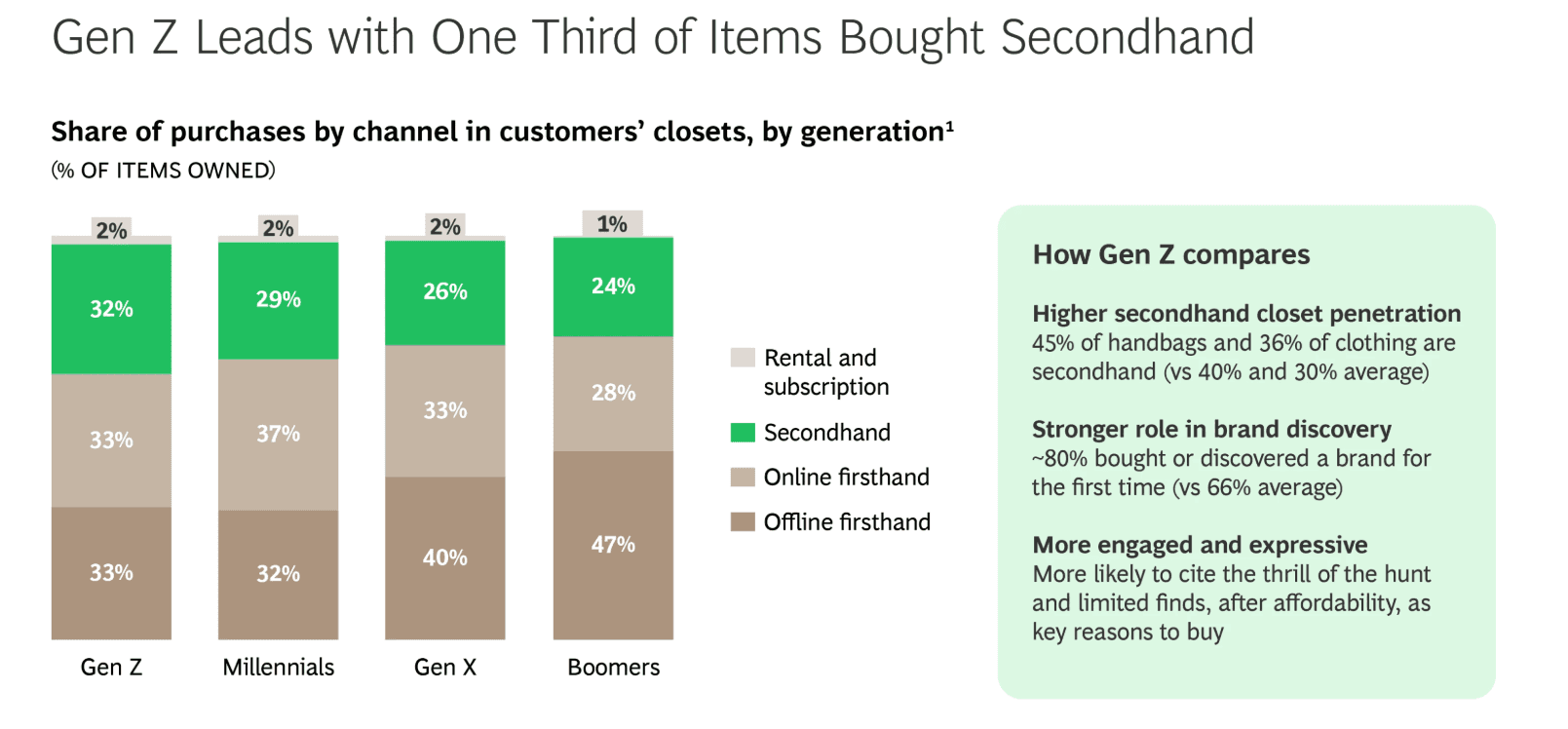
Survey Results via Boston Consulting Group
For long-time luxury consumers, the price of luxury is not a concern, but buying secondhand is the way to get your hands on a vintage or one-of-a-kind piece from a brand you love. When a house offers repair services, lifetime warranties, or documentation of provenance, it proves their commitment to longevity rather than fleeting desirability or trends.
Shutterstock/Guy Bell
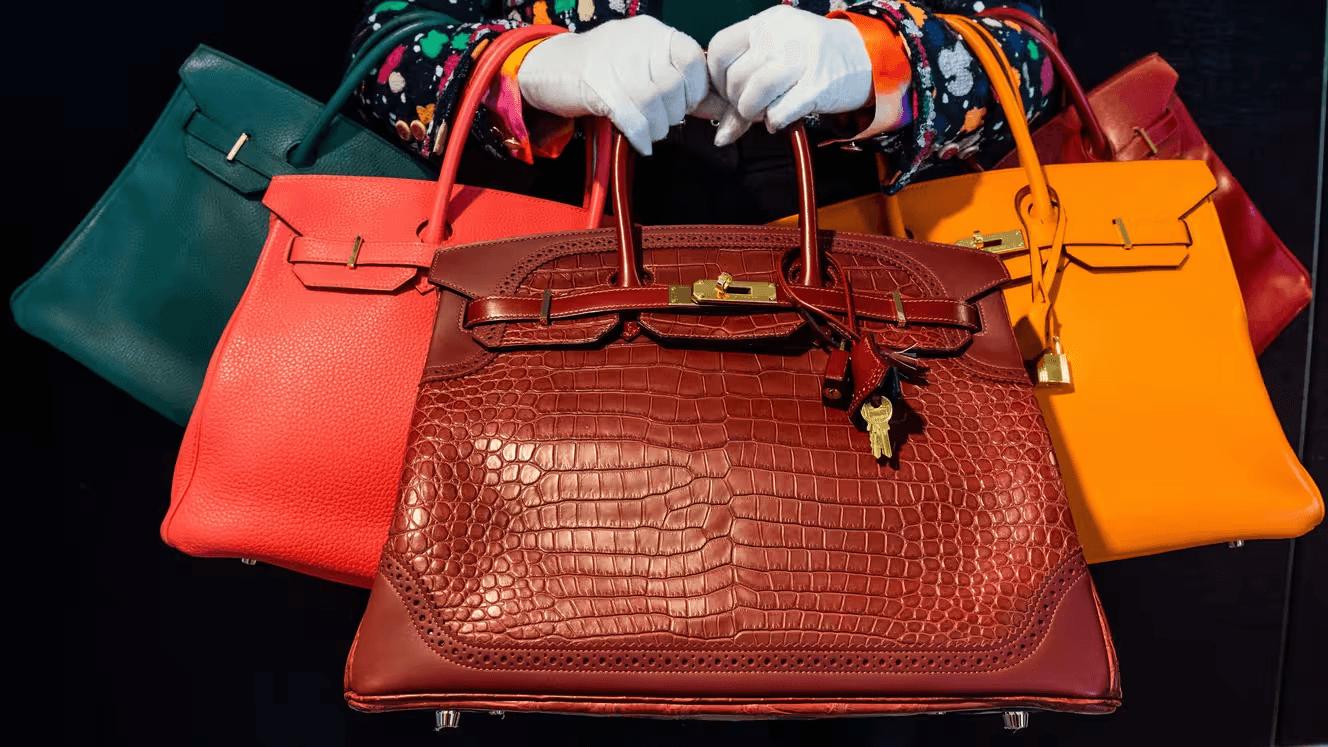
Most importantly, for artisans, this shift is a lifeline. Small workshops and family‑run ateliers that once supplied a house’s earliest products are finding renewed purpose and patronage. Orders for bespoke commissions and limited runs allow these makers to charge what their labour is actually worth, enabling mindfulness of safer tanning processes and investment into better quality materials. The craft is revived and continued through training apprentices in saddle stitching and hand‑burnishing techniques; investment in artisans ripples outward, supporting local cobblers and correlating repair specialists see more work. Tanneries gain steady contracts, and a network of craft knowledge that might otherwise have faded is preserved and expanded–the return to craft reframes value. Price is no longer only a marker of exclusivity but a reflection of time, skill, and responsibility. In a market weary of mass‑produced luxury, handcrafted leather goods offer a clear, optimistic alternative: objects that age with grace, sustain livelihoods, and anchor fashion in a human story worth preserving.

Getty Images/SrdjanPav